
Executive Summary
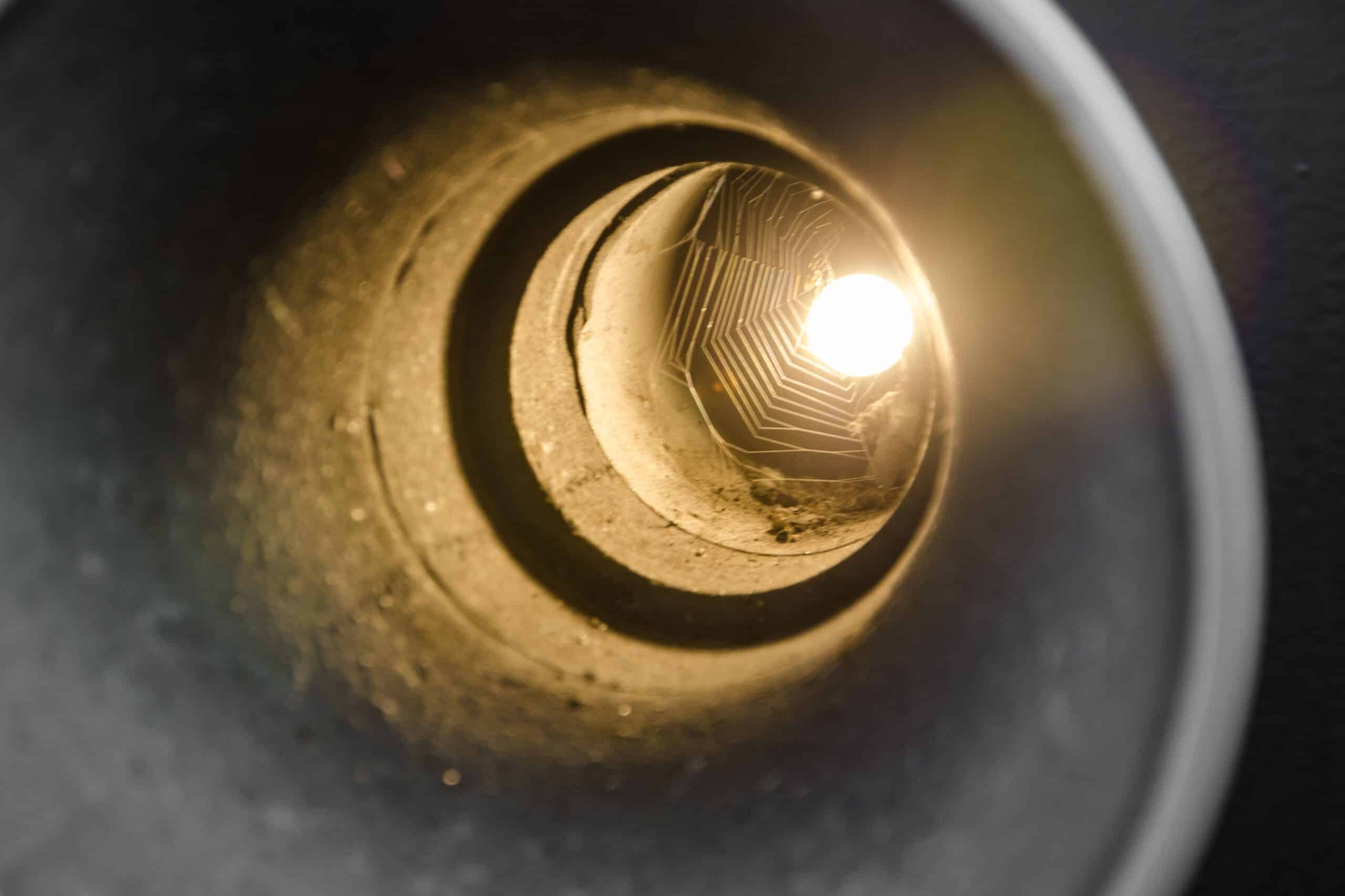
Aging underground sewer networks require detailed internal condition assessments before major rehabilitation works can begin. Relying on manual inspections inside narrow, dark, and potentially toxic pipelines presents severe safety risks for field crews. To establish a clear structural baseline across extended gravity sewer mainlines without sending workers underground, a multi-domain robotic inspection workflow combining sewer crawlers, caged aerial drones, and underwater ROVs was deployed.
The Operational Challenge
Auditing underground municipal sewer networks presents complex technical and safety obstacles:
- Severe Confined Space Hazards: Hazardous gas accumulation, toxic fumes, and restricted movement make human entry into underground mainlines high risk.
- Diverse Physical Pipe Conditions: Pipelines vary from dry small-diameter lines to large-diameter pipes and fully flooded sections where traditional wheeled crawlers cannot operate.
- Tight Network Schedules: Pre-rehabilitation assessments must cover thousands of linear meters quickly without disrupting surrounding traffic or city operations.
Technical Solution & Multi-Device Deployment A flexible, condition-based technology selection framework was deployed to inspect every pipeline segment safely and efficiently:
- Sewer Inspection Crawlers for Small Dry Pipes: Cable-controlled IP68 crawlers with adjustable HD cameras navigated dry pipelines under 1.0m in diameter, recording pipe wall conditions, joint alignment, and sediment accumulation.
- Caged Aerial Drones for Large Dry Pipes: Multirotors enclosed in protective cages flew along the centerline of dry pipelines 1.0m and larger, capturing high-resolution 4K video of cracks, surface spalling, and infiltration marks without making contact with pipe walls.
- Subsea ROVs for Flooded Pipelines: Where pipe drainage was not possible, compact underwater ROVs equipped with high-intensity LED lighting arrays traversed fully flooded sections to capture underwater visual records.
Key Outcomes and Strategic Impact
- Zero Personnel Confined-Space Entry: Achieved total visual inspection coverage across all target sewer lines while keeping field personnel safely above ground.
- Comprehensive Defect Inventory: Generated manhole-to-manhole descriptive reports complete with time-stamped video logs and defect screenshots to guide engineering teams.
- Optimized Rehabilitation Budgeting: Provided precise structural condition data, allowing municipal utility owners to prioritize lining and pipe repairs based on verified physical evidence.

 English