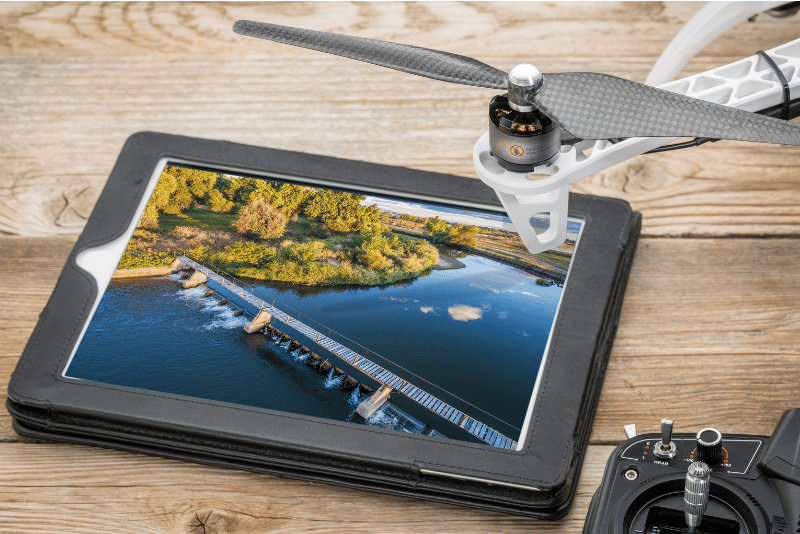
Guided from Above: How Drones Navigate the Skies

Drone navigation relies on complex algorithms and sensor data to make real-time decisions during flight.

Charting the Course: Understanding How Drones Navigate How drones navigate is a result of a harmonious blend of advanced technology and complex algorithms. From GPS systems to onboard sensors, let’s delve into the fascinating mechanisms that enable drones to traverse the skies.   GPS: The Guiding Star Global Positioning System (GPS) plays a pivotal role in drone navigation. Drones use GPS signals to determine their position relative to specific waypoints, enabling them to follow pre-defined flight paths or return to a home location. Also Read: Flying into the Future: The Role of Drones in Digital Transformation Sensing the World: Onboard Sensors In addition to GPS, drones are equipped with a multitude of onboard sensors that contribute to navigation. These include altimeters for determining altitude, accelerometers and gyroscopes for maintaining stability, and cameras for visual navigation and obstacle avoidance. Read More: How Does a UAV Navigation System Work? The Brain of the Operation: Flight Controllers The flight controller is the drone’s ‘brain’, processing data from GPS and onboard sensors to control the drone’s movements. By adjusting the speed of the drone’s motors, the flight controller can make the drone climb, descend, or change direction. Also See: Up in the Air: Why Drone Training is the Key to Successful Drone Programs     Overcoming Obstacles: Collision Avoidance Systems Many drones are equipped with collision avoidance systems, which are crucial for safe navigation. These systems use sensors such as cameras, ultrasonic sensors, or lidar to detect and avoid obstacles in the drone’s flight path. Read More: Autonomous Drone Navigation System Ends Reliance on GPS Autonomous Flight: Waypoint Navigation Waypoint navigation allows drones to fly autonomously along a pre-defined flight path. Operators can set waypoints using a map interface, and the drone will automatically fly from one waypoint to the next, using GPS to track its position. See More: Sky-high Revolution: How Drone Innovation is Driving Industry Transformation The Future of Drone Navigation As drone technology continues to advance, we can expect improvements in navigational systems, such as enhanced GPS accuracy, more sophisticated obstacle avoidance, and better autonomous flight capabilities. This progression will make drones even more versatile and valuable tools in numerous applications. In conclusion, drone navigation is a fascinating blend of advanced technology and complex algorithms. Understanding how drones navigate offers a glimpse into the future of autonomous vehicles and the endless possibilities they present.
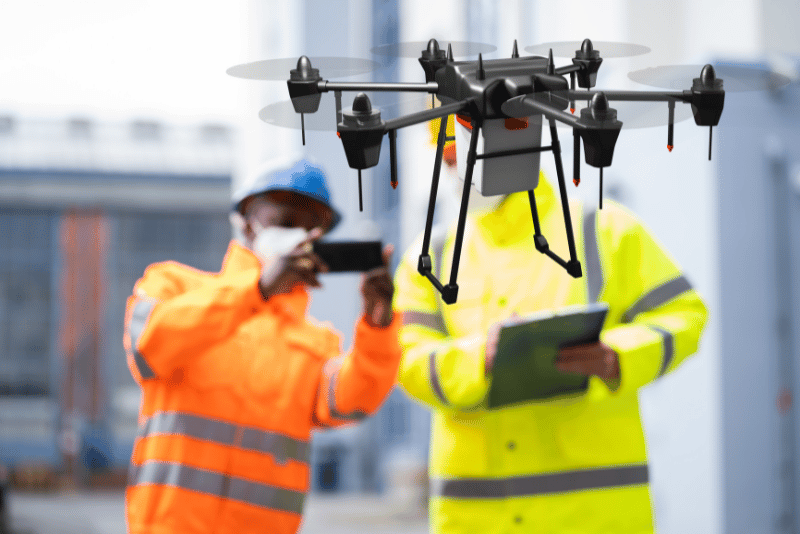
Up in the Air: Why Drone Training is the Key to Successful Drone Programs

Architects and designers now leverage drone technology for better site understanding and design precision.

Taking Flight: The Importance of Drone Training For the successful implementation of a drone program, comprehensive UAV training is a pivotal element. Not only does it enhance the safe operation of drones, but it also maximizes the benefits and efficiency of drone usage.   Promoting Safety Through Training Safety is paramount in any aviation-related operation, including drones. UAV training provides operators with an understanding of the rules and regulations of drone usage, fostering a culture of safety and risk mitigation. Also Read: Safety from the Sky: Using Drone for Confined Space Inspections Enhancing Operational Efficiency Well-trained drone operators are more capable of utilizing drones to their full potential. They understand how to optimize flight paths, handle various weather conditions, and efficiently use drone features and capabilities. Read More: The Benefits and Importance of Drone Training Preparing for Unexpected Scenarios UAV training equips operators with the skills to handle unexpected situations, such as technical malfunctions or emergency landings. This preparation is crucial to prevent potential accidents and ensure smooth operations. Also See: High-Flying Inspectors: The Role of Drones in Dam Inspections Understanding Data Collection and Analysis Drones collect a wealth of data, and understanding how to effectively capture, analyze, and utilize this data is an integral part of UAV training. This ability can significantly enhance decision-making and operational outcomes. Read More: Is drone training required and what options are out there? Compliance with Regulations UAV training ensures operators understand and comply with local and international drone regulations. This understanding is essential to avoid legal issues and ensure the drone program’s ongoing success. See More: Taking to the Sky: Unravelling Unmanned Traffic Management The Future of UAV Training As drone technology continues to advance, so too will UAV training. Future training programs will likely incorporate more advanced technologies such as virtual reality and AI-assisted learning. This will ensure operators are well-prepared to leverage the full benefits of drone usage. In conclusion, UAV training is a cornerstone of successful drone programs. By equipping operators with essential knowledge and skills, training ensures the safety, efficiency, and legality of drone operations.

Taking to the Sky: Unravelling Unmanned Traffic Management

what is unmanned traffic management

Understanding Unmanned Traffic Management In the rapidly evolving drone industry, Unmanned Traffic Management (UTM) is a vital development. UTM is a system designed to ensure safe and efficient drone operations, particularly in low-altitude airspace. Let’s delve deeper into what UTM entails. The Necessity of UTM As drone usage expands across various industries and recreational activities, managing the traffic of multiple drones becomes crucial. UTM aims to integrate drones safely into the airspace, reducing the risk of mid-air collisions and ensuring smooth operations. Also Read: Solar Powered Progress: How Drones Help in Solar PV Plant Construction Key Elements of UTM UTM encompasses several key components, including drone identification and tracking, dynamic airspace designations, weather information integration, and conflict management. These elements work together to enable safe and efficient drone operations. Also See: What is Unmanned Aircraft Systems Traffic Management? UTM and Drone Operators For drone operators, UTM provides real-time information about airspace restrictions, other drones’ locations, and potential hazards. This information is crucial for safe flight planning and execution. Read More: Soaring Above the Rest: Choosing the Best Drone for Your Company’s Operations UTM and Air Traffic Control While traditional Air Traffic Control (ATC) handles manned aircraft operations, UTM focuses on unmanned aircraft. In many ways, UTM is similar to ATC but is specifically tailored to the unique needs and challenges of drone operations. See More: Connecting authorities with drone pilots The Future of UTM The future of UTM is promising, with advances in technology expected to enhance its capabilities further. As we move towards a future with increased drone usage, UTM will play an increasingly critical role in maintaining the safety and efficiency of our skies. In conclusion, Unmanned Traffic Management is an essential development in the drone industry. It’s paving the way for a future where drones and manned aircraft can safely and efficiently share the skies.

High-Flying Inspectors: The Role of Drones in Dam Inspection

how drones can be used to inspect dam

Soaring to Safety: Drones and Dam Inspections The use of drones for dam inspection offers a multitude of advantages over traditional methods. UAV are enhancing dam inspection processes, improving safety, and efficiency, and providing high-quality data for decision-making. Improved Safety and Risk Reduction Dams can be vast, complex structures with hard-to-reach areas. Sending human inspectors into these areas can be dangerous. Drones offer a safe alternative, reducing the need for personnel to access potentially risky locations. Also Read: Soaring Above the Rest: Choosing the Best Drone for Your Company’s Operations Enhanced Data Quality Drones equipped with advanced sensors and high-resolution cameras can capture detailed images and videos of the dam structure. This data is significantly more detailed than what a human inspector could obtain, enabling the detection of even minor defects or damages. Also See: Are Drones the Future of Dam Safety? Increased Efficiency and Reduced Downtime Inspecting a dam can be a time-consuming process. However, drones can cover large areas in a fraction of the time, significantly improving inspection efficiency. This means less downtime for maintenance, leading to increased productivity. Read More: Solar Powered Progress: How Drones Help in Solar PV Plant Construction Real-time Data for Better Decision-Making Data collected by drones can be analyzed in real-time, allowing for immediate decision-making. This capability enables quick responses to any identified issues, which is crucial for the effective management of dam structures. See More: Drones to help inspect Brazilian dams Monitoring Difficult to Reach Areas Drones’ ability to access hard-to-reach areas, including the downstream face of the dam, the spillway, and other complex structures, is a major advantage. These inspections provide valuable data that would be otherwise challenging to obtain. Read More: Cutting Costs and Increasing Productivity: The Financial Advantages of Drones in Oil & Gas Operations The Future of Drones in Dam Inspections As drone technology continues to evolve, we can expect even more benefits. Features such as machine learning and AI can enhance data analysis, while advanced sensors can detect more subtle signs of damage or wear. In conclusion, the use of a drone for dam inspection is proving to be a game-changer. By improving safety, enhancing data collection, and boosting efficiency, drones are transforming how we inspect and maintain these critical infrastructures.

How Drone for Solar PV Helps Plant Construction

how drones helping solar pv plant construction

Empowering Solar PV Construction: The Role of Drones The use of a drone for solar PV plant construction is rapidly becoming an industry standard. Drones bring a range of benefits to the construction process, enhancing efficiency, safety, and decision-making. Let’s explore how drones are changing the game in solar PV plant construction.   Site Analysis and Project Planning Drones equipped with advanced imaging technology provide comprehensive and accurate site analysis. This data is crucial for optimal project planning, ensuring the efficient use of resources and shortening the construction timeline. Also Read: Sky-high Solutions: 5 Benefits of Using Drones in Petrochemicals Industry Real-time Construction Monitoring Drones offer an unmatched ability for real-time monitoring of the construction process. This allows for immediate detection of any issues or deviations from the plan, enabling quick corrective actions. Also See: 7 Valuable Uses For Drones in the Solar Industry   Enhancing Safety and Reducing Risks The use of drones significantly reduces the need for workers to access potentially dangerous areas, enhancing overall site safety. Additionally, drones can detect safety hazards, contributing to a safer construction environment. Read More: Airborne Vigilance: Using Drone for Safety Violation Detection in Plants Quality Assurance and Inspection Post-construction, drones can be used for detailed inspections of the solar PV installation. They can spot defects or issues that may not be visible from the ground, ensuring quality assurance. See More: Autonomous Drones to Monitor 250-Acre Floating Solar Farm Future of Drones in Solar PV Construction As drone technology continues to advance, its role in solar PV plant construction is set to grow. With features like AI and machine learning, drones can automate and enhance many aspects of the construction process, contributing to faster, safer, and more efficient solar PV plant construction. In conclusion, drones have proven to be a powerful tool in solar PV plant construction. They streamline the construction process, enhance safety, and improve decision-making, making them an indispensable asset in the industry’s progression.

Best Drone For Your Company’s Operations

Drones come in various types and capabilities, each suitable for different operational needs.

Navigating the Sky of Choices: How to Choose the Best Drone Selecting the best unmanned aircraft for your company’s operations can be a complex task given the multitude of choices available. Each drone offers unique capabilities and suitability for different operational contexts. Here’s a guide on how to choose the best UAVs for your business needs. Consider the Nature of Your Operations The first step in selecting the best UAV is to thoroughly understand your operational requirements. Whether you need a drone for surveying large areas, performing detailed inspections, or collecting specific data, the nature of your operations should guide your drone choice. Also Read: Safety from the Sky: Using Drone for Confined Space Inspections Evaluate Drone Specifications and Capabilities Each drone model comes with a set of specifications and capabilities. Payload capacity, flight time, range, camera resolution, sensor types, and resistance to weather conditions are among the key factors to consider. Also See: Five industries benefiting from drone inspections Assess Compliance with Regulatory Requirements Ensure that your chosen drone complies with local and international drone regulations. This includes flight restrictions, licensing requirements, and safety and privacy regulations. Read More: Flying into the Future: The Role of Drones in Digital Transformation Look into Cost-effectiveness Beyond the purchase price, consider the overall cost-effectiveness of the drone. This includes maintenance costs, the lifespan of the drone, and the potential savings it can bring to your operations. See More: Drone market outlook in 2023: industry growth trends, market stats and forecast Future-proof Your Investment Lastly, consider how future-proof the drone is. As drone technology continues to evolve rapidly, choosing a drone that can be upgraded or that is adaptable to future technological developments can be a wise investment. In conclusion, choosing the best UAV for your company’s operations involves careful consideration of various factors. By taking the time to understand your needs, assess drone capabilities, and consider regulatory and cost factors, you can select a drone that significantly enhances your operational efficiency and effectiveness.

Drones in Petrochemicals Industry and 5 Benefits of Using Them

Elevating Petrochemical Operations: The Role of Drones in the Industry The use of a drones in petrochemicals industry is quickly becoming a standard practice. Drone technology is providing numerous benefits, from safety improvements to data-driven decision-making. Here are the top five benefits of using drones in the petrochemical industry.   1. Enhanced Safety with Drones Safety is a paramount concern in the petrochemical industry. Drones, with their ability to safely inspect hard-to-reach and potentially hazardous areas, significantly reduce worker exposure to risks, resulting in safer working environments. Also See:  Elevated Inspections: Harnessing Drone for Inspection of Flares 2. Improved Operational Efficiency Drones can perform inspections and data collection tasks more quickly and accurately than traditional methods. They reduce downtime, resulting in improved operational efficiency. Read Also: Drones are making refineries and petrochemical plants safer, more efficient 3. Reduced Operational Costs By decreasing the need for manual inspections and reducing equipment downtime, drones lead to significant cost savings. These savings can be redirected to other critical operational areas. Read More: Cutting Costs and Increasing Productivity: The Financial Advantages of Drones in Oil & Gas Operations 4. High-Quality, Real-Time Data Equipped with advanced sensors and cameras, drones can collect high-quality, real-time data. This data enables better decision-making and predictive maintenance, contributing to more reliable operations. See More: Environmental Monitoring & Petrochemical Inspection Drones Delivered 5. Environmental Monitoring and Compliance Drones can monitor emissions, detect leaks, and assist in environmental impact assessments, ensuring regulatory compliance and minimizing environmental impact. In conclusion, the application of drones in petrochemicals industry offers significant benefits. As drone technology continues to advance, its role in enhancing safety, efficiency, and sustainability in the petrochemical industry is set to grow even further.

Safety from the Sky: Using Drone for Confined Space

Remote operation of drones allows for accurate and comprehensive confined space inspections without risking worker safety

Reducing Hazards with Drones: A Closer Look at Confined Space Inspections The use of a drone for confined space inspections is a powerful strategy to enhance safety and efficiency in industrial settings. By minimizing the need for workers to enter potentially hazardous confined spaces, drones are significantly reducing risks and improving operational efficiency. Let’s explore how drones are transforming confined space inspections. How Drones are Employed in Confined Space Inspections Confined spaces present a host of safety challenges, from limited mobility to hazardous substances. Drones, equipped with cameras and sensors, provide a safer alternative. They can enter and navigate confined spaces, capturing high-resolution images and collecting valuable data, while keeping workers out of harm’s way. Also Read:  Airborne Vigilance: Using Drone for Safety Violation Detection in Plants The Benefits of Drone-assisted Confined Space Inspections The utilization of drones in confined space inspections brings numerous benefits. Primarily, they dramatically reduce worker exposure to potential hazards. Drones also provide more thorough and efficient inspections, as they can access areas that may be difficult or dangerous for humans to reach. Read More: Terra Inspectioneering’s UT drones to aid VTTI The Future of Drone Usage in Confined Space Inspections As drone technology continues to advance, their impact on confined space inspections is set to increase. Future developments may see drones equipped with more advanced sensors and AI capabilities, offering even more comprehensive inspections. Consequently, drones are set to become an even more valuable tool in confined space safety management. In conclusion, the use of drones in confined space inspections is a revolutionary approach to maintaining workplace safety and efficiency. As technology continues to progress, the role of drones in this field is set to become even more significant. See More: Brazil’s first unmanned FPSO tank inspection conducted by Terra Drone

Elevated Inspections: Harnessing Drones for Inspection

how drones can be used to inspect flares

High-rise Inspection: Employing Drone for Flare Checks The use of drones for inspection of flares in industrial environments is fast gaining traction. Drone technology, equipped with advanced sensors and thermal imaging, is offering a safer, faster, and more efficient approach to flare inspection. Let’s delve into how drones are transforming this vital industrial process. The Role of Drones in Flare Inspections Traditional flare inspections often involve significant safety risks and operational downtime. Drones, with their aerial maneuverability and advanced imaging capabilities, offer an excellent solution. They can safely inspect flare stacks in operation, capturing high-resolution thermal images, and detecting anomalies such as leaks or structural weaknesses. Also Read:  Flying Clean: How Drone for Oil Spill Combat is Changing the Game   Benefits of Drone-aided Flare Inspections Drones offer numerous benefits in flare inspections. They reduce safety risks associated with manual inspections and eliminate the need for shutdowns, resulting in significant cost savings. Furthermore, the high-quality data collected enables more accurate diagnostics and better-informed maintenance decisions. Read More: Terra Drone Indonesia Uses Drone for Inspecting Chevron’s Flare Stacks The Future of Drone-led Flare Inspections Drone technology continues to evolve, promising even greater advantages in the future. Next-generation drones may offer enhanced sensors, AI-driven analytics, and longer flight times, further increasing their utility in flare inspections. As this technology advances, drones will undoubtedly play an integral role in industrial inspection procedures. In conclusion, drones are revolutionizing the way flare inspections are conducted. As industries continue to adopt technological advancements, drones will undoubtedly prove instrumental in making flare inspections safer, more efficient, and more reliable. See More: Terra Drone Conducts Flare Stack Inspection For State Energy Company ENAP

Using Drone for Safety Violation Detection in Plants

Timely detection of safety violations through drone surveillance aids in maintaining a secure working environment.

Enhancing Safety from the Sky: Drones in Plant Operations Utilizing a drone for safety violation detection in plants is a burgeoning trend in industrial safety practices. With advanced imaging and sensor capabilities, drones can efficiently monitor plant operations, detect safety violations, and assist in creating a safer work environment. This article explores the benefits of drones in enhancing plant safety.   Drones and Safety Violation Detection Drones provide an eye in the sky, enabling comprehensive monitoring of plant operations. Equipped with high-resolution cameras and sensors, they can identify potential safety violations that might be challenging to spot from the ground level. Whether it’s detecting equipment malfunctions, unsafe practices, or regulatory non-compliance, drones bring a new level of safety assurance to plant operations. Also Read:  Sky-high Revolution: How Drone Innovation is Driving Industry Transformation The Impact of Drones on Safety Practices By identifying safety violations early, drones allow for immediate corrective actions, mitigating risks, and preventing potential accidents. Notably, drones also promote worker safety by performing inspections in hazardous or hard-to-reach areas, minimizing workers’ exposure to potential risks. Read More: Port of Antwerp: Drones must increase safety and efficiency The Future of Drones in Plant Safety As drone technology continues to evolve, their potential in plant safety is only set to increase. Future developments could see drones equipped with more advanced sensors and AI capabilities for better anomaly detection and predictive maintenance. As such, drones hold promise as invaluable safety tools in plant operations. In conclusion, drones are revolutionizing safety practices in plant operations. As we continue to leverage technology to enhance workplace safety, the role of drones as safety monitors and enforcers will only become more pivotal. See More: Public Safety adds drone technology to enhance service and campus safety