

Many business owners see the price tag of a high-end drone and think that is the only cost they need to worry about. But buying a professional drone is like looking at an iceberg. The purchase price is just the small part you see above the water. Beneath the surface is a massive collection of hidden costs, including training, insurance, maintenance, and software.
In 2026, the question is not just whether you can afford the machine. The real question is whether you can afford the responsibility that comes with drone ownership. This article will help you look beneath the surface to see if buying your own fleet or hiring a third-party vendor is the right move for your project.
The Reality of the In-House Model
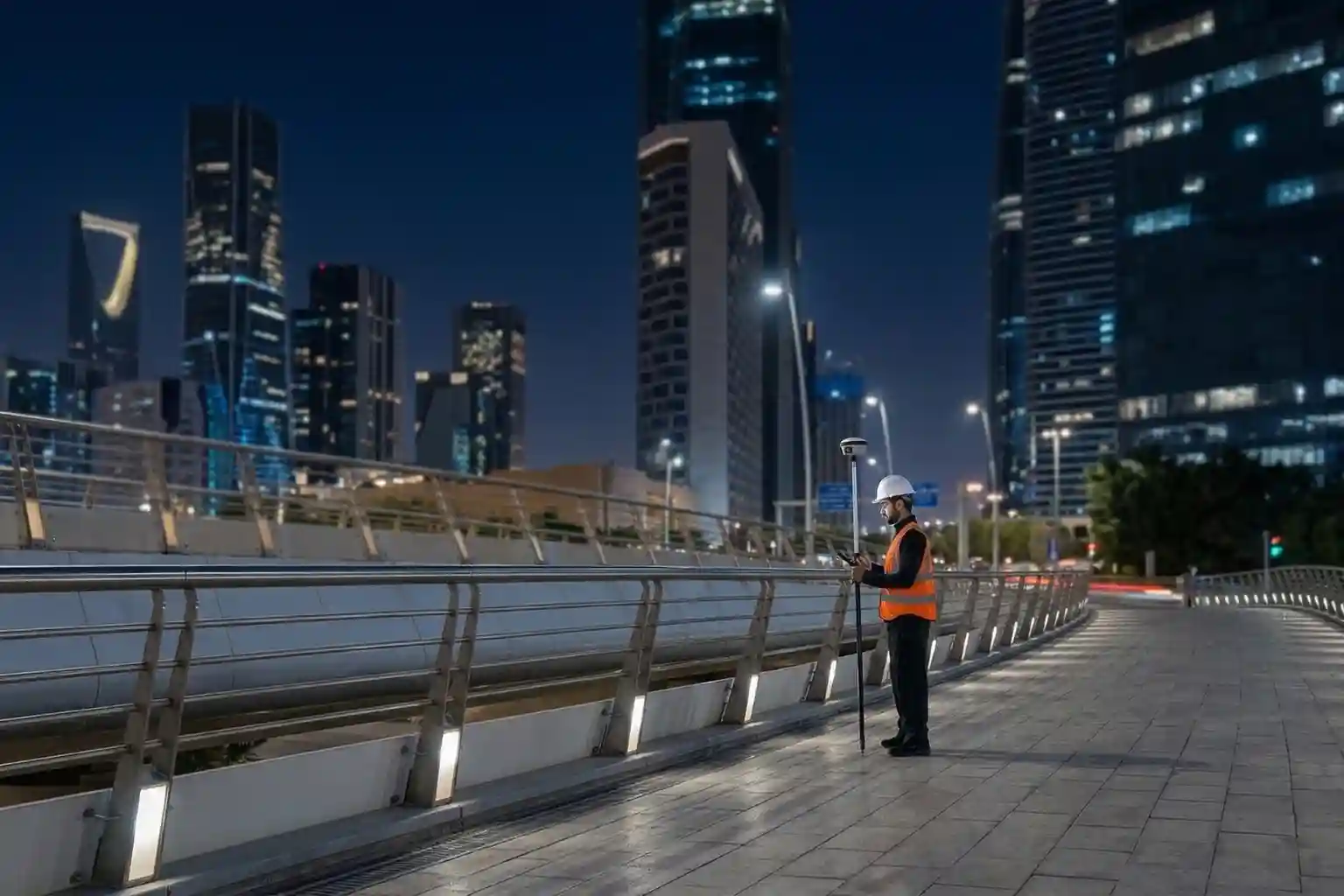
When you choose drone ownership, you are investing in a long-term asset. This gives you total control over when and where you fly, but it also means you are responsible for everything.
- Heavy Upfront Investment: You are paying for more than just the drone. You need specialized sensors like the FJD Trion V10i for 3D site modeling or portable drone detectors for security.
- The People Problem: You must hire or train pilots who understand how to capture “ground-truth” accuracy. This includes keeping up with certifications and safety training to protect your team.
- Maintenance and Software: Drones are high-wear machines that require constant care. You also need to pay for reliable software to process large amounts of data into final models or “smart” maps.
- The Math of Ownership: To find your real cost, you can use the Total Cost of Ownership formula:
TCO = Purchase + (Maintenance + Training + Insurance) x Time
The Freedom of the Vendor Model

Hiring a third-party vendor changes the conversation from “buying a machine” to “buying a result.” For many companies, this is the most efficient way to avoid the “Golden Oops” of construction or security errors.
- Access to Elite Tech: A vendor always brings the latest equipment, such as multi-sensor aerial data or specialized TDOA drone detection systems. You get the best technology without the risk of your own hardware becoming outdated.
- No Maintenance Worries: If a drone crashes or a sensor fails, it is the vendor’s problem to fix. Your project stays on schedule because you are paying for the final data, not the equipment.
- Expertise on Demand: You get access to specialists who understand complex tasks like “Structure from Motion” or “Epipolar Geometry” to create perfect digital twins.
- Simplified Budgeting: Instead of complex depreciation and hidden fees, you have a clear per-project or per-day cost.
Finding Your BEP
The right choice depends on how often you need to fly.
- Frequency Matters: If your site requires a drone every single day for simple progress photos or basic site checks, drone ownership will usually save you money over several years.
- Complexity Matters: If you only need high-precision 3D models, underground utility mapping, or advanced signal detection once a month, hiring a vendor is the smarter financial choice.
Stop guessing about your budget and start planning for precision.
Contact us and analyze your project needs to determine if you should invest in your own fleet or partner with our expert vendors to secure your site.
Based on the article provided, here are three visual suggestions designed to help readers understand the financial and operational trade-offs of drone ownership.

 English