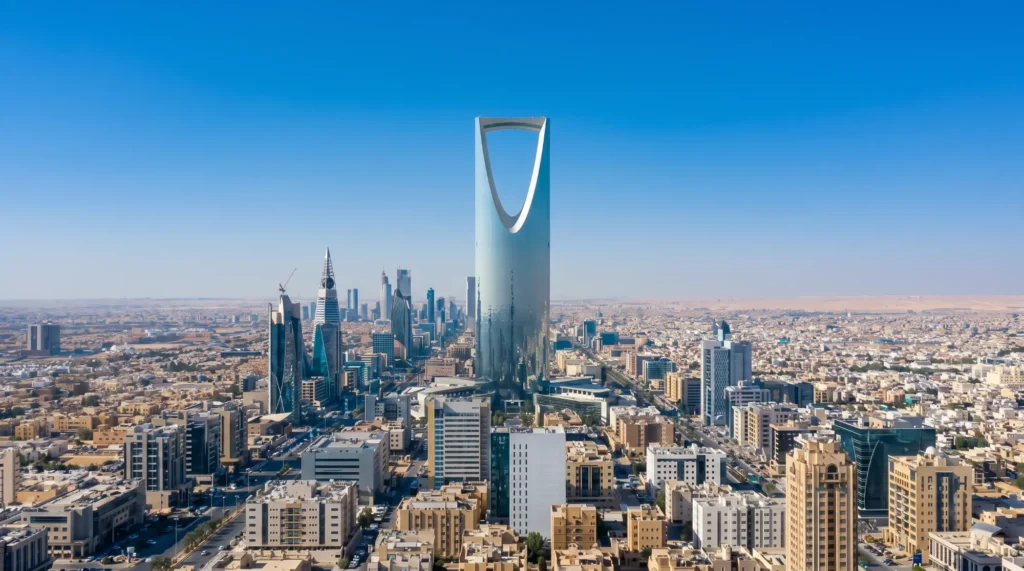
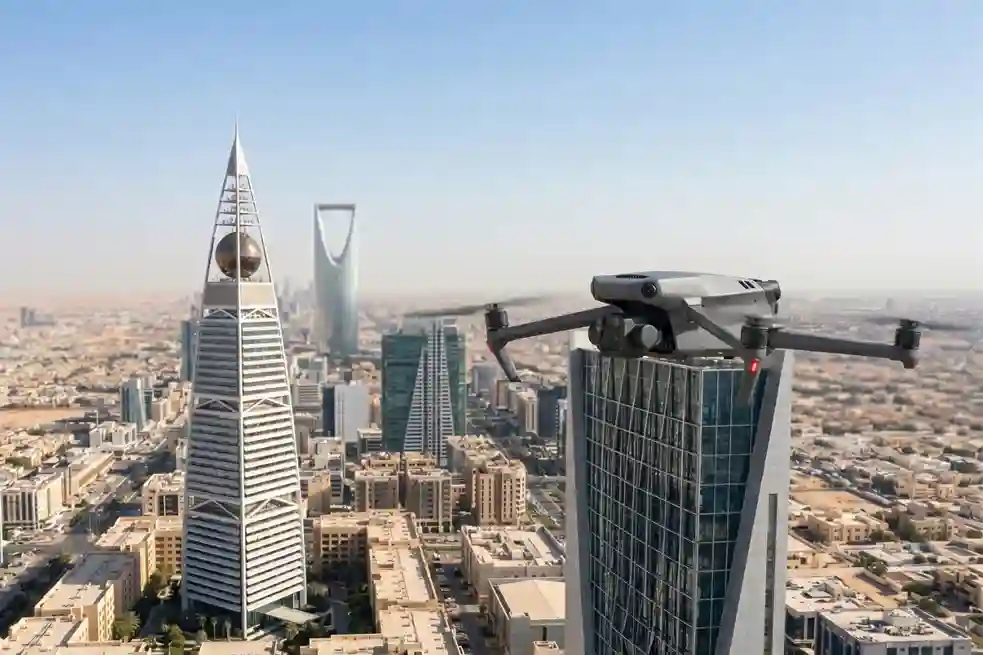
In Saudi Arabia’s extreme climate, keeping buildings cool is a constant struggle. Air conditioning is not just a comfort, it is a necessity that accounts for nearly 70% of total electricity consumption in the residential sector.
When looking at the broader picture, the building sector is responsible for approximately 30% of the Kingdom’s total primary electricity consumption.
Despite this massive energy use, many facilities are losing money through the energy they use. This occurs when cold air escapes and heat enters through gaps in the building from the walls, windows, and roof that are often invisible to the human eye.
Closing the Efficiency Gap
To understand why modern buildings are losing money, we must look at the widening “efficiency gap.” Since 2015, the world has seen a massive construction boom where global floor space has expanded by 15%.
But energy efficiency per square meter has improved by only 6%. This means we are building faster than we are learning how to save energy.
In Saudi Arabia, where the building sector is responsible for approximately 30% of total primary electricity consumption, this 9% gap represents a significant financial loss for facility owners.
The weak point in most structures is the physical barrier between the conditioned air inside and the extreme heat outside. When this barrier fails, it creates an “energy bleed.”
Traditional inspection methods, such as manual walk-throughs or using handheld sensors, often fail to see the full picture.
These methods are slow, dangerous, and frequently miss leaks located high up on a facade or in the middle of a large roof.
The Power of Thermal Imaging
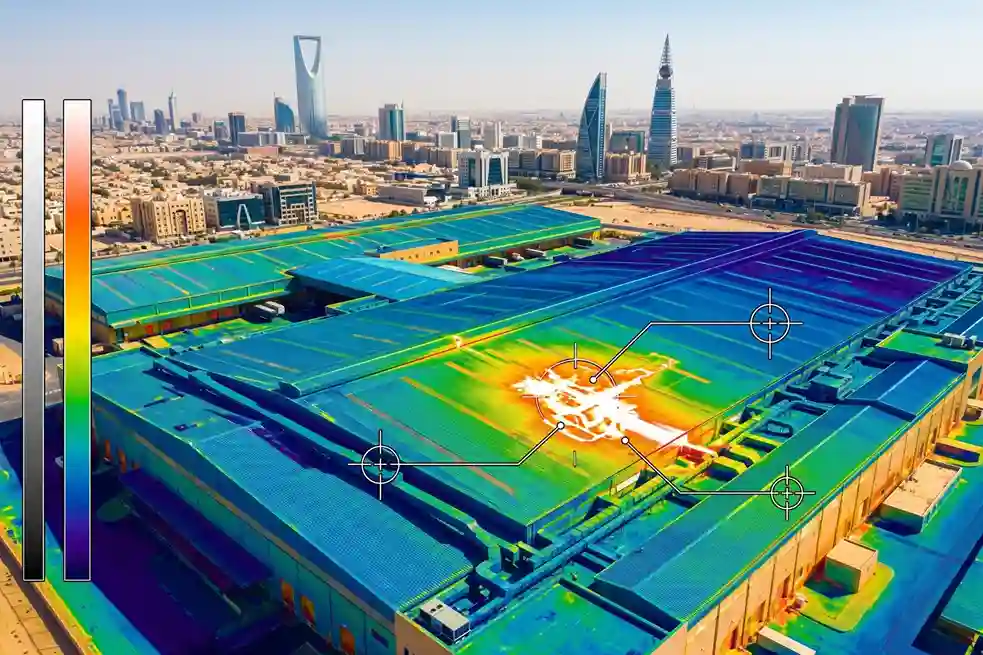
The DJI Mavic 3 Thermal addresses this gap by using a technology called infrared thermography. This allows the drone to measure the heat signatures of building materials.
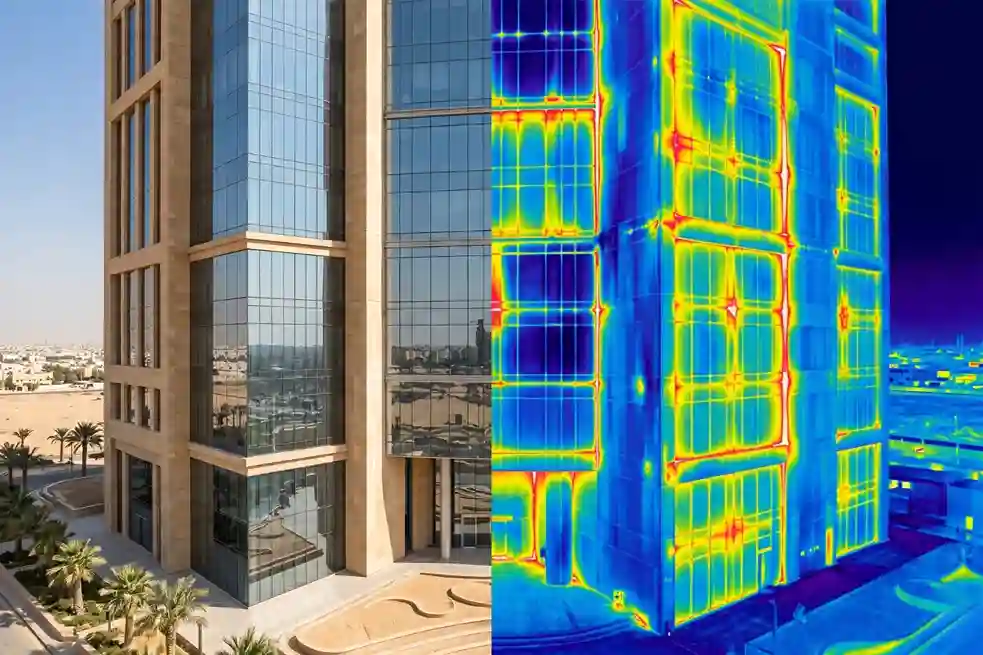
In a desert environment, a cooling leak appears as a “cold spot” on the exterior of a building during the day, or a “hot spot” at night as the internal AC tries to fight the outside temperature.
By using this drone, facility managers can achieve an 89% accuracy rate in detecting structural anomalies and heat leaks. This is a massive improvement over visual inspections alone.
The drone can spot three specific types of energy loss:
- Thermal Bridging: This happens when a building’s internal supports (like steel beams) conduct heat directly through the insulation. The drone sees these as lines of heat “bridging” into the building.
- Insulation Defects: Over time, insulation can sag, get wet, or be installed poorly. Thermal imaging shows these as irregular patches where heat is entering the building unchecked.
- Air Leakage: Gaps around windows, vents, or joints allow conditioned air to blow straight out. The drone captures the “plume” of escaping air, allowing for precise leakage detection.
Speed and Data Integration
The most significant advantage of this technology is how quickly it provides answers. Research shows that using multi-sensor drones can reduce building inspection time by 67% compared to traditional manual methods.
In the time it takes a worker to set up a ladder, a drone can scan an entire warehouse.
Furthermore, the data collected is not just a picture; it is a digital map. The DJI Mavic 3 Thermal creates “radiometric” images, which means every single pixel in the photo contains a temperature reading.
When this data is fed into a computer, it creates a “thermal digital twin” of the property. Facility managers can use this to calculate exactly how much money is being lost and which repairs should be prioritized first.
This ensures that maintenance budgets are spent where they will provide the highest return on investment in energy savings.
By closing the visibility gap, we can finally close the efficiency gap. This proactive approach turns building inspection from a reactive chore into a strategic tool for financial and environmental health.
Achieving Safety and Sustainability Goals
The transition toward high-tech facility maintenance is not just about saving money on a monthly bill, it is about fundamentally changing how we manage risk and environmental responsibility.
By using the DJI Mavic 3 Thermal, facility managers are able to align their operations with modern safety standards and national sustainability mandates.
Redefining Workplace Safety
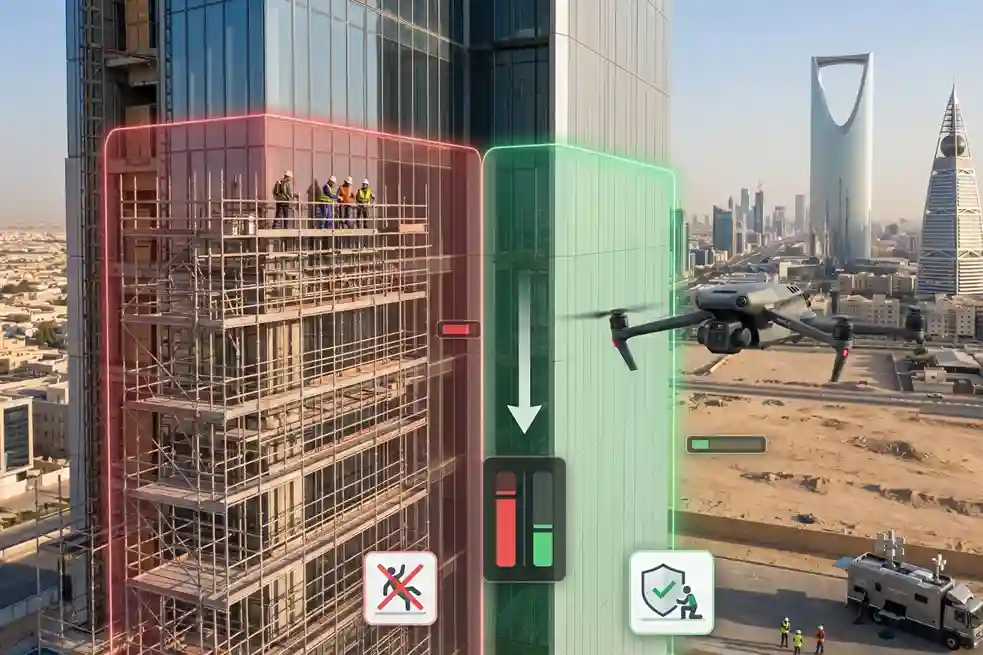
Traditional building inspections are inherently dangerous. For decades, the only way to inspect high-rise buildings was to use scaffolding, heavy cranes, or rope-access teams who hung from the sides of skyscrapers.
These methods put human lives at risk and carry a high cost in terms of insurance and liability.
By switching to automated drone patrols, companies can significantly lower these risks. Research has shown that automated drone surveillance reduces near-miss safety incidents on-site by 34%.
This reduction occurs because drones remove the need for workers to enter “high-risk zones” or climb unstable structures to find a leak.
When a drone is used, the inspection team stays safely on the ground. This approach doesn’t just prevent injuries, it also eliminates the operational downtime usually required to set up safety equipment.
For facility owners, this means:
- Lower Insurance Premiums: Demonstrating a reduction in high-risk man-hours can lead to lower insurance costs.
- Faster Compliance: Meeting strict safety regulations becomes easier when the most dangerous part of the job is handled by a machine.
Meeting the 2030 Sustainability Mandate
The world is currently in a race to make buildings more efficient to combat climate change. According to the International Energy Agency (IEA), to stay on track with net-zero goals, the energy consumed per square meter in buildings must be 35% less than it was in 2022 by the year 2030.
In Saudi Arabia, where the building sector accounts for approximately 30% of total primary electricity consumption, reaching this 35% reduction target is a massive challenge.
Thermal imaging drones provide the most direct path to hitting these numbers. Because thermal drones identify heat gain with an 89% accuracy rate, they allow for “surgical” repairs.
Instead of guessing which walls need more insulation, managers can use data to prove exactly where the building is failing.
This data-driven maintenance supports the Saudi Green Initiative by:
- Reducing Carbon Footprints: Less electricity used for cooling means fewer carbon emissions from power plants.
- Resource Preservation: By finding leaks early, you prevent moisture from entering the building envelope, which stops rot and structural decay, making the building last longer without needing replacement materials.
Asset Preservation and Long-Term Value
A building is a multi-million SAR asset. When a building “bleeds” energy, it is often a sign of deeper structural problems.
For example, a “hot spot” on a roof during a thermal scan might indicate trapped moisture. If left alone, this moisture can rot the roof deck, lead to mold, and eventually require a total roof replacement costing hundreds of thousands of SAR.
Using the DJI Mavic 3 Thermal allows for “preventive maintenance.” This means you find the problem when it is a small, cost-efficient fix (like a single seal) rather than a massive, expensive disaster. This preserves the “Asset Value” over time.
A building that is proven to be energy-efficient and structurally sound through regular thermal audits is worth more on the market and is more attractive to high-quality tenants who want lower utility costs.
Summary of Impact
By focusing on safety and sustainability, the use of drones moves from being a “cool gadget” to an essential business tool. It bridges the gap between today’s high operational costs and the high-efficiency requirements of the future.
| Metric | Traditional Method | Drone Method (Mavic 3T) |
| Safety Risk | High (Rope access/Ladders) | Low (Ground-based operation) |
| Safety Incidents | Baseline | 34% Reduction |
| Inspection Accuracy | Visual/Manual (Variable) | 89% Accurate |
| 2030 Target Goal | Lagging (+6% efficiency) | Path to 35% Reduction |
Audit Your Building to Save Today
Every minute a building “bleeds” in energy is money wasted. In a competitive market, smart facility management requires a data-driven approach.
Don’t wait for your next high electricity bill to find out your building is failing. Consult with our expert for your building inspection and find the hidden leaks, improve your energy efficiency, and start cutting your operational expenses immediately.

 English