Advance Your Horizons: A Guide to Drone Career Path in 2025

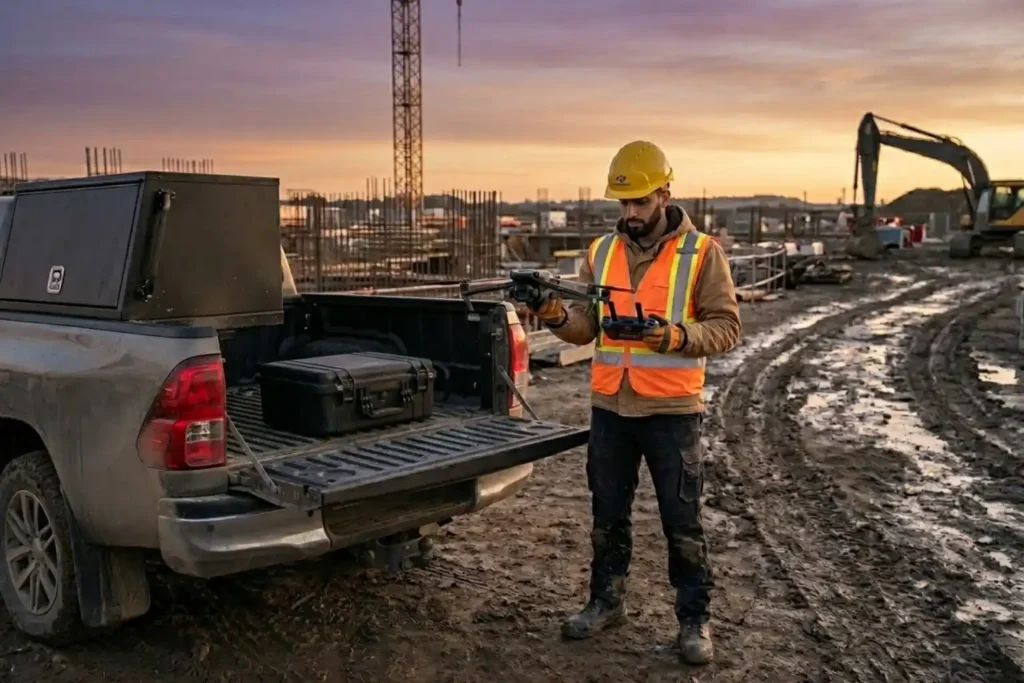
Industrial drone pilot preparing for site inspection

The drone career path is no longer an emerging concept, it’s a well-defined route to high-value roles across industries that rely on precision, efficiency, and innovation. From flare stack inspections in oil & gas to aerial mapping in urban planning, drones have become a central part of modern operations. As we step into 2025, UAV professionals are becoming mission-critical to digital transformation efforts, particularly in regions like Saudi Arabia and the wider MENA area. Structured growth and proper certification aren’t just recommended — they are the foundation of long-term success in this field. The Starting Point: Entry-Level Drone Roles The first step into a UAV career often begins with support roles emphasizing learning by doing. Entry-level operators might assist with visual drone inspections of industrial assets, such as tanks, towers, or pipelines, or manage checklists during missions. These early positions are perfect for building technical awareness and field discipline. Foundational training in photogrammetry and GIS platforms like DJI Terra or ArcGIS Field Maps is commonly introduced at this stage. Additionally, formal certifications such as GACAR Part 107 (in Saudi Arabia) or equivalent national licenses ensure operators understand aviation safety, airspace rules, and mission planning, all essential to industrial compliance. Building Skills Through Certification and Field Experience Once the basics are in place, aspiring drone professionals should actively seek hands-on flight hours. The goal here is to become fluent with different payloads: thermal cameras, multispectral sensors, LiDAR scanners, and high-zoom RGB imaging systems. Industrial use cases, especially in oil & gas, power generation, and infrastructure — demand comfort with automated mission planning, waypoint routing, and live data interpretation. This is also the right time to dive into manufacturer training (like DJI Enterprise programs) or platforms such as Pix4D, FlightHub 2, and Terra Mapper to understand post-processing and mission management tools. In short, growing from operator to asset requires more than flying — it requires confidence in equipment, mission logic, and post-flight deliverables. Specializing in Industry Needs To stand out, professionals should tailor their skills to sector demands. For example, the oil & gas industry often requires familiarity with ultrasonic testing (UT) via drones, or non-destructive testing (NDT) using robotic systems like Voliro T. In agriculture, it’s all about multispectral mapping, NDVI analysis, and precision spraying logic. Each sector comes with its own vocabulary, safety culture, and data expectations. That’s why mid-level drone professionals must invest in contextual expertise: Utilities & power: risk-aware inspections, thermal fault detection Construction: BIM integration, volumetric analysis Renewable energy: panel array surveys, defect localization Urban planning: zoning data overlays, digital twin creation Software proficiencies become more important here too, with CAD, LiDAR data tools, and GIS integration forming the backbone of deliverables. Advancing to Mid-Level Roles With experience and specialization, many UAV professionals move into roles like Lead Operator or Mission Planner. These individuals oversee site planning, lead field teams, and ensure compliance with safety and flight protocols. They also contribute heavily to operational documentation — flight logs, asset reports, and pre/post-inspection forms. At this level, mentoring junior pilots and helping onboard new tech platforms is often part of the role. Professionals who excel here are the ones who balance technical confidence with operational discipline. People who don’t just fly well, but also communicate, document, and manage well. Reaching Leadership: Operations Manager or Technical Lead At the top of the drone career path are roles that go far beyond flight. UAV Operations Managers or Technical Leads manage entire drone programs, overseeing fleets, scheduling missions, setting internal SOPs, and liaising with regulators or enterprise clients. They often work closely with cross-functional teams: AI & data science units (for predictive analytics, anomaly detection) GIS departments (for model integration and spatial workflows) Compliance and safety teams (for audits, risk assessments, and reporting) Leaders in this space often participate in R&D discussions, vet new hardware, and pilot innovation projects, such as integrating digital twins, real-time mapping, or cloud-based remote inspections into day-to-day operations. This is where drone professionals evolve into decision-makers and strategists, shaping the future of industrial UAV adoption. Conclusion In 2025 and beyond, the drone career path is no longer limited to enthusiasts or specialists. It’s a legitimate, scalable career with entry points, vertical mobility, and global demand. The MENA region, especially Saudi Arabia under Vision 2030, is creating enormous opportunities for certified UAV professionals who combine technical excellence with industry understanding. Whether starting as a visual inspector or leading a national drone program, the career path is wide open. For those willing to invest in certification, specialization, and continuous learning, the drone industry isn’t just taking off. It’s landing big careers.

Drone Workforce Development: Building the Future Ahead

Drone operator managing inspection drone at oil and gas facility.

The rise of drone workforce development is reshaping modern industries worldwide. From oil and gas fields to construction zones and energy grids, drones have become indispensable tools for inspection, monitoring, and asset management. In an era defined by digital transformation and Industry 4.0, the demand for drone technologies is accelerating faster than ever. However, technology alone isn’t enough. As industries embrace unmanned aerial solutions, the need for a skilled, certified drone workforce is becoming critical, especially in countries like Saudi Arabia, where national goals like Vision 2030 prioritize innovation, localization, and the development of future-ready industries. The Role of Drones in Critical Industrial Applications The integration of drones into industrial operations is no longer a futuristic concept — it is a present-day necessity. Industries across the globe are rapidly adopting drone technology to enhance safety, boost operational efficiency, and gather higher-quality data than ever before. Drones are fundamentally changing the way critical infrastructure is built, maintained, and managed, offering companies a smarter, faster, and safer alternative to traditional methods. In today’s industrial landscape, drones fulfill several pivotal roles: aerial data capture, real-time monitoring, digital modeling, hazard detection, and predictive maintenance support. Their ability to deliver detailed information quickly, often without interrupting operations, is helping industries achieve more with fewer risks and lower costs. Let’s take a deeper look at how drones are making a difference across key industrial sectors: Oil & Gas Few sectors benefit from drones as much as oil and gas, where safety concerns, expansive assets, and harsh operating environments demand innovative solutions. Applications include: Flare Stack Inspections Traditionally, inspecting an active flare stack required a full shutdown, resulting in significant production losses. Now, drones equipped with thermal cameras can perform these inspections while the stack remains live, identifying heat anomalies, corrosion, and structural defects in real time. Pipeline Surveillance Long stretches of pipelines that traverse remote or sensitive areas can be monitored efficiently with drones. UAVs can detect leaks, ground movement, unauthorized encroachments, or potential erosion issues early, preventing environmental disasters and costly repairs. Offshore Platform Monitoring Drones equipped with high-resolution imaging and LiDAR sensors provide detailed views of complex offshore structures without risking diver safety or costly helicopter flyovers. The result: enhanced worker safety, reduced downtime, and improved asset reliability. Construction & Infrastructure Drones have become essential tools at every stage of construction and infrastructure projects. Applications include: Progress Monitoring UAVs deliver frequent, accurate site surveys, helping project managers track construction progress, verify contractor work, and identify potential delays early. Digital Twins Drones gather the precise spatial data needed to create detailed 3D digital twins of infrastructure assets — bridges, tunnels, airports, etc. These virtual replicas support smarter maintenance planning, remote inspections, and lifecycle management. Inspection of Existing Structures Bridges, high-rise buildings, and critical public infrastructure are inspected faster and more thoroughly using drones, minimizing disruption to traffic and operations.   With drone-driven site intelligence, developers and engineers can make better decisions, mitigate risks, and deliver projects more efficiently. Power & Utilities Maintaining a safe, reliable power grid depends heavily on proactive inspection and maintenance, areas where drones excel. Applications include: Transmission Line Inspection UAVs fly alongside live high-voltage power lines, capturing detailed images and thermal data to detect faults, hotspots, and wear without the need for human linemen to climb towers. Substation Monitoring Thermal drones quickly spot overheating components or insulation breakdowns in substations, preventing costly outages and safety hazards. Vegetation Management LiDAR-equipped drones identify vegetation encroaching on power lines, enabling utilities to optimize their trimming and clearing efforts to reduce wildfire risks and service interruptions. By adopting drone technology, utilities gain higher-frequency inspections, greater visibility across their networks, and better-informed maintenance strategies. Environmental & Agricultural Monitoring Drones are playing a vital role in advancing environmental stewardship and smart agriculture practices. Applications include: Crop Health Monitoring Multispectral imaging drones analyze plant health, soil moisture levels, and pest infestation patterns across agricultural fields, empowering farmers to make data-driven decisions that boost yields and reduce chemical usage. Land and Forest Management Drones map forest boundaries, monitor illegal logging activity, and assess biodiversity health in remote regions. Disaster Response and Environmental Impact Assessments After floods, oil spills, or wildfires, drones provide immediate situational awareness, enabling faster environmental impact assessments and targeted remediation efforts. Air and Water Quality Monitoring Specialized UAVs are equipped to capture air samples or perform water sampling missions to measure pollutants, supporting regulatory compliance and sustainability initiatives. By making environmental monitoring more accessible, faster, and cost-effective, drones are helping industries meet ESG (Environmental, Social, and Governance) targets and regulatory requirements. Why Drones are Indispensable in Industrial Applications Across all these sectors, the same core advantages of drones shine through: Risk Reduction Keep workers out of dangerous environments — drones handle the height, the depth, and the hazards. Cost Efficiency Reduce operational expenses by eliminating the need for scaffolding, helicopters, shutdowns, or large field teams. Data Quality Capture more comprehensive, high-resolution, and multi-dimensional datasets than traditional methods ever could. Operational Continuity Perform inspections, surveys, and monitoring tasks without halting production or disrupting critical services. In essence, drones are not just supplementary tools — they are now integral components of industrial asset management strategies worldwide. Current Challenges in Drone Workforce Development Despite surging demand, industries still face significant challenges in building a robust drone workforce: Talent Shortage While drone technology has advanced rapidly, the pipeline of qualified, industry-ready drone professionals has lagged behind. Many sectors report a shortage of certified UAV pilots and data analysts with practical, sector-specific expertise. Lack of Certified Drone Professionals Certification matters. Regulatory bodies increasingly require formal licensing (such as GACAR Part 107 in Saudi Arabia, or FAA Part 107 in the U.S.). Yet many aspiring drone operators lack access to structured, accredited training that meets industry standards. Limited Specialized Training in Industrial Applications Operating a recreational drone is very different from performing a LiDAR survey of a gas pipeline or conducting thermal inspections of electrical grids. Training programs must evolve to focus on industrial-specific applications — not just general drone operation.

Drones for Industrial Inspections: Transforming Asset Management

Drone conducting industrial inspection over refinery

Drones for industrial inspections are rapidly redefining how organizations manage, monitor, and safeguard critical assets. Across sectors such as oil and gas, power generation, infrastructure, and mining, inspections are not only vital for ensuring operational safety, regulatory compliance, and efficiency, but also for preserving asset longevity and optimizing lifecycle management in heavy industries. Regular inspections form the backbone of both preventive and reactive maintenance strategies, enabling companies to detect early signs of wear, plan timely interventions, and avoid costly failures that can disrupt operations. Traditionally, inspection methods have been labor-intensive, costly, and high-risk. However, with the rise of unmanned aerial vehicles (UAVs), industries worldwide are embracing a technological shift that delivers faster, safer, and more accurate inspections. As global demand for smarter asset management grows, drone-based inspections are becoming an essential tool for forward-thinking companies. Traditional Industrial Inspection Methods Historically, industrial inspections relied heavily on manual techniques:  Rope Access Technicians equipped with harnesses and specialized climbing equipment manually ascend structures such as flare stacks, towers, bridges, or wind turbines. Rope access offers flexibility in reaching high or complex locations but exposes workers to significant fall risks. Scaffolding and Elevated Work Platforms Building temporary scaffolding structures or deploying mechanical lifts allows inspectors to physically reach elevated or awkward areas. While effective, a scaffolding setup can take days and often incurs high labor and material costs. Additionally, it introduces project delays and increases the footprint at the worksite. Confined Space Entry Inspectors physically enter restricted environments like storage tanks, boilers, and ship ballast tanks. These operations require extensive safety protocols, including atmospheric testing, protective equipment, confined space permits, and standby rescue teams. Despite these precautions, confined space entry remains one of the highest-risk activities in industrial environments. Helicopter Surveys In sectors like utilities and oil and gas, helicopters are sometimes used for aerial inspections of pipelines, power lines, and remote facilities. While faster than ground surveys, helicopter operations are extremely expensive, weather-dependent, and present flight safety risks. Manual Visual Inspections Inspectors walk through facilities, visually checking for signs of wear, corrosion, cracks, or operational anomalies. This method depends heavily on human judgment, which can vary from inspector to inspector, leading to inconsistent reporting and subjective assessments. Contact-Based Testing Non-destructive testing (NDT) methods, such as ultrasonic thickness measurements or radiographic testing, require physical placement of sensors or devices onto structures. While offering precise measurements, these techniques necessitate direct access, often increasing risk and downtime. These techniques, although time-tested, come with inherent limitations that increasingly clash with modern demands for efficiency, safety, and precision. Safety risks remain a major concern. Inspectors are often exposed to hazardous environments, including heights, tight spaces, or chemically active areas. Time consumption is another challenge, as setting up access equipment and executing manual surveys can lead to operational delays. Furthermore, inspection costs escalate quickly due to labor, equipment rental, and production downtime. Most critically, traditional methods often produce subjective, lower-quality data compared to modern imaging and sensing technologies. As industries face mounting pressure to improve operational efficiency, ensure workforce safety, and meet environmental, social, and governance (ESG) commitments, traditional inspection methods are increasingly seen as unsustainable for the future. Stakeholders are demanding faster inspections, better data, fewer accidents, and lower environmental impact — all while maintaining regulatory compliance. This evolving landscape has set the stage for the rapid adoption of innovative solutions like drone inspection, where unmanned aerial technologies deliver a smarter, safer, and more efficient alternative. Drones for industrial inspections have emerged precisely because they address the deep-rooted challenges associated with manual methods, offering a future-forward solution that aligns with the demands of modern industry. Emergence of Drones in Industrial Inspections The development of drones for industrial inspections stems from the broader evolution of UAV technologies over the last two decades. Originally designed for military applications, drones have expanded into commercial and industrial sectors, offering safe and efficient alternatives to traditional inspection processes. By the early 2010s, industries realized that drones could capture detailed data while minimizing risks and operational disruptions. Today, inspection drones come equipped with advanced payloads such as: High-resolution optical cameras Thermal imaging sensors LiDAR scanning systems Ultrasonic and NDT inspection tools Different types of drones serve distinct purposes: Multirotor drones for detailed stationary inspections Fixed-wing drones for long-range infrastructure surveys Indoor collision-tolerant drones for confined spaces and GPS-denied environments This technological shift has empowered industries worldwide—from North America and Europe to the Middle East and Asia-Pacific regions—to modernize asset management practices. Key Benefits of Drone-Based Inspections The integration of drones for industrial inspections has introduced a profound shift in how industries approach asset maintenance and safety assurance. Moving beyond traditional methods, UAV technology offers layered advantages that enhance every stage of the inspection process from preparation to final reporting. Unparalleled Safety Enhancement Industrial environments such as refineries, offshore platforms, transmission towers, and confined tanks have long posed significant dangers to human inspectors. Falls from height, exposure to toxic gases, confined space incidents, and proximity to high-voltage systems are critical risks. Drones eliminate the need for physical access to hazardous zones, allowing inspections to be conducted remotely, thereby reducing injury risks and supporting compliance with stricter health and safety regulations. Drastic Acceleration of Inspection Timelines Traditionally, inspections could halt operations for days while scaffolding was erected, rope teams mobilized, and safety systems prepared. With drones, full-scale inspections can be completed in hours, not days, minimizing downtime and preventing costly interruptions, especially in sectors where every operational hour counts, such as oil and power generation. Significant Cost Reductions The traditional inspection model incurs heavy costs from scaffolding construction, equipment rentals, helicopter usage, specialized insurance, and labor overtime. Drone-based inspections streamline operations with minimal setup and reduced manpower, freeing up budgets for preventive maintenance investments rather than reactive crisis spending. High-Precision, Actionable Data Collection Drones offer a quantum leap in data richness and accuracy. Equipped with HD cameras, 4K video, thermal imaging, multispectral sensors, and LiDAR, UAVs collect detailed, objective datasets. This transition from subjective human observation to quantifiable data supports predictive maintenance models, informed investment

Predictive Modeling in Urban Planning: Urban Growth and Infrastructure Needs

Satellite imagery, urban growth, predictive modeling, GIS in planning, city development.

Predictive modeling in urban planning is revolutionizing how cities grow and adapt to changing needs. As urban areas face rapid population growth, resource constraints, and environmental challenges, the demand for data-driven solutions has never been higher. Predictive modeling empowers planners to anticipate urban expansion, allocate resources effectively, and evaluate the impact of their decisions with unprecedented accuracy. By integrating historical data, real-time inputs, and scenario simulations, this approach ensures that cities develop sustainably while meeting the demands of their residents. Forecasting Urban Growth and Infrastructure Needs Predictive modeling is revolutionizing how urban growth is understood and managed. By analyzing historical data and current trends, predictive models can forecast where cities will expand, how population densities will shift, and which areas will require immediate infrastructure upgrades. These insights help planners allocate resources more effectively, ensuring that infrastructure such as roads, housing, utilities, and public services keeps pace with demand. For example, satellite imagery and Geographic Information Systems (GIS) integrate spatial data with population and economic indicators. This combined data enables city planners to identify regions at risk of overcrowding or underdevelopment. Forecasting urban growth trends helps prioritize projects, such as expanding transportation networks in high-growth areas or upgrading water distribution systems in underserved neighborhoods. Planners also use predictive models to manage the environmental impact of urban growth. For instance, understanding how expansion affects green spaces and ecosystems allows cities to implement measures like green corridors and reforestation projects. Predictive modeling not only guides infrastructure investments but also ensures that urbanization occurs responsibly, minimizing harm to natural resources. Check out these tools for urban planning Evaluating the Potential Outcomes of Planning Decisions One of the most powerful applications of predictive modeling is scenario simulation, where urban planners evaluate the potential outcomes of various development strategies. By creating multiple scenarios, planners can assess how decisions will affect factors such as traffic congestion, resource allocation, and environmental sustainability. For instance, simulations can help planners decide between building a new expressway or expanding an existing public transit network. By modeling the impact of each option on traffic flow, emissions, and commuter behavior, predictive tools provide a clear picture of which solution aligns best with long-term goals. Similarly, simulations can evaluate the effectiveness of flood mitigation measures, such as constructing levees versus implementing natural drainage systems. Predictive modeling also aids in disaster preparedness. Cities prone to flooding, earthquakes, or hurricanes use these models to map risk-prone areas and design emergency response strategies. For example, a simulation might predict how a severe storm would affect low-lying neighborhoods, enabling planners to prioritize evacuation routes and allocate resources in advance. Moreover, integrating predictive models with interactive GIS platforms ensures that data remains accessible and actionable. Stakeholders can visualize the impact of decisions in real-time, making it easier to adjust plans based on community feedback or emerging data trends. This approach fosters more informed and collaborative urban planning processes. Sustainability and Long-Term Benefits The value of predictive modeling in urban planning extends beyond immediate challenges. By enabling cities to plan proactively, these tools contribute to long-term sustainability and resilience. Forecasting future energy demands, for example, allows cities to transition toward renewable energy sources while ensuring adequate supply. Similarly, predicting water resource needs helps urban planners design systems that prevent waste and promote equitable distribution. Additionally, predictive models support equity in urban development. By analyzing socio-economic data alongside spatial information, planners can identify underserved communities and prioritize investments that close gaps in access to housing, education, and healthcare. This ensures that urban growth benefits all residents, not just a privileged few. In conclusion, predictive modeling is reshaping urban planning by offering actionable insights into growth trends, infrastructure needs, and potential decision outcomes. By leveraging these tools, cities can transition from reactive responses to proactive strategies, ensuring sustainable and inclusive urban development for generations to come.

Terra Drone Arabia Showcases Advanced Drone and Satellite Technologies at Cityscape Global 2024

Enhancing Construction, Infrastructure, and Real Estate Development with Cutting-Edge Aerial and Remote Sensing Solutions Riyadh, Saudi Arabia — December 9, 2024 — Terra Drone Arabia, a leader in drone and satellite (remote sensing) technologies, participated in Cityscape Global 2024, held from November 11 to 14 at the Exhibition and Convention Center in Malham, Riyadh. The event brought together over 400 exhibitors and 500 speakers, focusing on “The Future of Living” and aligning with Saudi Arabia’s Vision 2030.  At Hall 1A, Booth C01, Terra Drone Arabia demonstrated how its innovative solutions add value across various project phases which include pre-construction data collection by utilizing drones and satellite imagery to efficiently gather critical site data, providing high-resolution insights that streamline planning and enhance decision-making before construction begins. Progress monitoring & site analysis by employing remote-sensing drones to monitor real-time project progress with precision, capturing essential metrics for each phase to ensure accuracy, improved timelines, and seamless project management; Also enhanced project efficiency by leveraging technology to reduce time, costs, and risks in construction and infrastructure projects, offering data-backed insights for better resource management. Cityscape Global 2024 served as a pivotal platform for Terra Drone Arabia to engage with industry leaders, developers, and investors, fostering discussions on the integration of advanced aerial and remote sensing technologies in the real estate sector. The event’s emphasis on smart cities and sustainable development resonated with Terra Drone Arabia’s mission to drive innovation in construction and infrastructure. “Our participation in Cityscape Global 2024 underscores our commitment to advancing the construction and real estate industries through cutting-edge drone and satellite technologies,” said Ryan Fadhilah Hadi, Country Manager at Terra Drone Arabia. “By providing comprehensive solutions for data collection, progress monitoring, and efficiency enhancement, we aim to contribute significantly to the Kingdom’s Vision 2030 objectives.” Terra Drone Arabia’s engagement at the event highlights its dedication to supporting Saudi Arabia’s urban transformation, offering technologies that align with the nation’s goals for sustainable and intelligent infrastructure development. For more information about Terra Drone Arabia’s services and solutions, please visit our website. — About Terra Drone Arabia: Terra Drone Arabia aims to be the premier provider of drone and geospatial solutions in the Middle East and Africa. With a mission to empower businesses through advanced technologies, Terra Drone Arabia offers a wide range of services including land surveying, bathymetry, and data processing, among others. As part of Terra Drone Corporation, a globally recognized drone startup, Terra Drone Arabia leverages its international presence and expertise to deliver comprehensive solutions across various industries. The expansion into the KSA market underscores Terra Drone’s commitment to fostering innovation and supporting Saudi Arabia’s Vision 2030 objectives.

Satellite Imagery: A Game-Changer in Construction

High-resolution satellite imagery of a construction site highlighting terrain and land-use patterns.

Satellite imagery for site assessments is revolutionizing construction planning by delivering accurate, high-resolution data for topography, terrain, and land-use analysis. Traditionally, site evaluation has relied heavily on manual surveys, which are both time-consuming and expensive. However, with advancements in satellite technology, construction stakeholders can now access detailed, real-time data, even in remote or challenging environments. This breakthrough not only streamlines planning but also enables smarter, data-driven decisions to ensure project success. Why Satellite Imagery is Essential for Site Assessments Satellite imagery offers unparalleled insights into topography and terrain. High-resolution data allows engineers to analyze elevation changes, slopes, and land contours, which are critical for project feasibility studies. For example, terrain grading for road construction becomes more efficient when satellite data pinpoints exact elevation variations, minimizing unnecessary excavation costs. Unlike traditional ground surveys, which may take weeks to complete, satellites capture data across vast areas in hours, providing construction teams with actionable insights faster. Apart from that, accurate land-use mapping is essential for sustainable construction. Satellite imagery identifies key features such as vegetation, urban structures, and water bodies, enabling project teams to plan responsibly. This is particularly important for projects near ecologically sensitive zones. With satellite-based land-use data, construction stakeholders can avoid potential environmental conflicts and ensure compliance with regulatory requirements. Additionally, integrating this data with Geographic Information Systems (GIS) enhances spatial analysis, offering visual layers that simplify decision-making. Get more insights here: Explore more Efficient Data Collection in Remote and Challenging Environments Construction projects in remote or inaccessible locations often pose logistical hurdles. Satellite imagery overcomes these challenges by providing a bird’s-eye view of even the most rugged terrains. Whether it’s a mountainous site or a desert landscape, satellites deliver comprehensive data without requiring on-ground intervention. For instance, when evaluating sites for renewable energy installations, such as solar farms in arid regions, satellite imagery identifies optimal locations by analyzing solar exposure and land characteristics. Efficiency is one of the biggest advantages of satellite-based site assessments. Traditional surveys consume significant time and incur high costs due to manpower and equipment needs. On the other hand, Satellites provide scalable solutions, offering coverage for projects ranging from small urban developments to sprawling infrastructure ventures. By reducing reliance on manual methods, satellite imagery minimizes errors and accelerates the decision-making process. For example, large-scale projects like highway networks benefit from satellite data that pinpoints potential obstacles, saving both time and resources. Applications of Satellite Imagery in Construction High-resolution satellite imagery plays a crucial role in topographic mapping. This data is indispensable for designing infrastructure such as roads, bridges, and buildings. Engineers can create detailed elevation models to determine drainage patterns, flood risks, and soil stability. For example, topographic analysis using satellite imagery can help prevent costly design changes by identifying unsuitable areas during the early planning stages. Satellite imagery is equipped with multi-spectral capabilities, enabling the identification of environmental risks such as erosion, flooding, or landslides. By addressing these risks proactively, construction teams can mitigate potential delays and ensure compliance with environmental regulations. A real-world example includes satellite data being used to map flood-prone zones in urban areas, helping developers design resilient infrastructure. Combining Satellite Data with Drone Technology While satellite imagery provides a broad overview, drones excel in capturing localized, micro high-detail data. Together, these technologies create a comprehensive solution for construction planning. For instance, satellite base maps can be overlaid with drone imagery to provide a detailed understanding of project sites. This combination enables teams to visualize both the macro and micro aspects of construction, ensuring precision at every stage. Integrating drone and satellite data simplifies project monitoring by providing stakeholders with real-time visual updates. This ensures alignment between project milestones and initial plans, reducing delays and maintaining transparency among teams. How Stakeholders Benefit from Satellite-Based Site Assessments For Construction Companies Streamlined site planning with accurate data Faster identification of potential risks and obstacles For Project Owners and Investors Reliable data for financial decision-making Improved transparency through visual insights For Design Consultants Precise topographic and terrain analysis Enhanced designs with multi-layered data integration For Contractors Real-time progress tracking Reduced delays and enhanced safety compliance Why Satellite Imagery is Redefining Construction? It is transforming the construction industry by providing precise, real-time data for planning, monitoring, and stakeholder coordination. Its ability to access remote areas, reduce costs, and improve decision-making makes it an indispensable tool for modern construction projects. Your Next Steps Ready to unlock the full potential of satellite imagery for your construction projects? Contact Terra Drone Arabia today to explore cutting-edge solutions tailored to your needs.

How Satellite Imagery is Helping Construction

High-resolution satellite view of a construction site surrounded by dense greenery.

Satellite imagery is helping construction revolutionize how projects are planned, monitored, and executed. From providing accurate site assessments to tracking real-time progress, this technology is reshaping the construction industry. With its ability to offer high-resolution visuals and comprehensive data, satellite imagery addresses many challenges construction teams face, such as delays, cost overruns, and environmental compliance. By integrating satellite data, stakeholders can enhance decision-making, improve collaboration, and achieve sustainable outcomes like never before. Overview of the Construction Industry’s Challenges Common Bottlenecks and Complex Relationships The construction sector is notorious for delays, cost overruns, and inefficiencies. These bottlenecks often arise from misaligned priorities, communication gaps, and a lack of reliable data among stakeholders. With diverse teams such as contractors, consultants, and project owners involved, conflicting interests can exacerbate delays and disputes. At the heart of these challenges lies the need for accurate and timely data. Proper site analysis and monitoring are critical, yet traditional methods like ground surveys or manual inspections often fall short. This is where satellite imagery transforms the game, providing an efficient and reliable solution for modern construction projects. Challenges in the Construction Industry Assessing large or inaccessible sites is often a time-intensive process; moreover, without real-time data, project teams struggle to identify potential risks and prepare accurate plans. Consequently, limited visibility into project status frequently results in inefficiencies, while compliance and quality assurance become challenging without the proper tools to reliably track progress. At the same time, sustainability goals are increasingly becoming a priority for modern construction projects. Therefore, identifying potential risks, such as erosion or flooding, and adhering to regulatory standards are critical for achieving environmental compliance. However, unforeseen site conditions and inefficiencies in data collection can significantly inflate project budgets, emphasizing the need for accurate pre-construction data to maintain cost control. In addition, reliable data sharing among stakeholders remains a persistent challenge. Without consistent communication and a unified source of truth, delays and disputes are more likely to arise, further complicating project workflows. These challenges underscore the transformative role of satellite imagery in addressing construction challenges, offering innovative solutions to streamline processes and ensure efficiency. The Role of Satellite Imagery in Addressing Construction Challenges Satellite imagery provides high-resolution data on topography, terrain, and land use, enabling efficient assessments even in remote areas. This capability not only saves time but also eliminates the need for repeated on-site surveys, significantly streamlining project initiation. Additionally, when integrated with GIS, satellite imagery enables advanced spatial analysis and precise 3D modeling. Using elevation data, construction teams can optimize designs and improve planning efficiency. Real-Time Monitoring and Progress Tracking Regular updates from satellite imagery give project teams a comprehensive macro view of construction progress. By detecting deviations from initial plans, such as unauthorized structures or delays, teams can address issues promptly to stay on schedule. Multi-spectral satellite data further enhances project success by identifying environmental risks like erosion or flood zones. These insights ensure regulatory compliance and support sustainable building practices. Satellite imagery also serves as a unified source of truth, offering visual data to all stakeholders. This fosters better communication, improves alignment, and reduces the likelihood of disputes. By cutting reliance on costly and time-consuming ground surveys, satellite imagery becomes an ideal solution for large-scale or multi-site projects, making it indispensable for expanding construction portfolios. Read how satellite data supports regulatory compliance: click here Enhancing Construction Insight with Remote Sensing Techniques While drones provide localized, high-resolution visuals, satellite imagery offers broad, high-level views of construction sites. Together, these technologies work seamlessly to deliver comprehensive insights that enhance project understanding. Furthermore, when overlaid on satellite basemaps, drone imagery offers unmatched clarity and context. This powerful combination enables both macro and micro-level analysis, which is essential for efficient project management and strategic decision-making. By leveraging satellite imagery for large-scale visibility and drone data for detailed inspections, construction companies can monitor projects end-to-end. This integrated approach proves especially useful for tracking progress, managing safety risks, and ensuring regulatory compliance throughout the project lifecycle. The construction industry has long grappled with challenges such as effective project management, meeting compliance standards, and adhering to tight deadlines. However, satellite imagery is helping construction companies overcome these hurdles with unprecedented precision and efficiency. By incorporating satellite-based data into project workflows, stakeholders gain clearer site visibility, empowering them to make smarter decisions, cut costs, and achieve sustainable outcomes. Overview of the Construction Industry’s Challenges The construction sector is notorious for delays, cost overruns, and inefficiencies. These bottlenecks often arise from misaligned priorities, communication gaps, and a lack of reliable data among stakeholders. With diverse teams such as contractors, consultants, and project owners involved, conflicting interests can exacerbate delays and disputes. At the heart of these challenges lies the need for accurate and timely data. Proper site analysis and monitoring are critical, yet traditional methods like ground surveys or manual inspections often fall short. This is where satellite imagery transforms the game, providing an efficient and reliable solution for modern construction projects. Challenges in the Construction Industry Assessing large or inaccessible sites can be a time-consuming process. Without real-time data, project teams struggle to identify potential risks and prepare accurate plans, which often hampers decision-making. Moreover, limited visibility into project status frequently results in inefficiencies. Compliance and quality assurance also remain challenging without the right tools to reliably track progress and ensure alignment with goals. As sustainability becomes a priority in modern construction, identifying risks such as erosion or flooding and adhering to regulatory standards is now more crucial than ever. Environmental compliance hinges on the ability to assess these factors accurately. Unforeseen site conditions and inefficient data collection can further complicate matters by inflating project budgets. This highlights the need for accurate pre-construction data to keep costs under control and minimize financial risks. Reliable data sharing among stakeholders remains a challenge. Without consistent communication and a unified source of truth, delays and disputes are inevitable, undermining collaboration and project timelines. The Role of Satellite Imagery in Addressing Construction Challenges Satellite imagery is helping construction overcome traditional hurdles by

Terra Drone Partners with West Bay Petroleum to Showcase Drone Solutions at Conteq Expo 2024

Terra Drone at Conteq Expo 2024

Doha, Qatar – September 17th, 2024 – Terra Drone, in partnership with West Bay Petroleum Co WLL, is set to make its debut at the Conteq Expo 2024. This highly anticipated event will be held from September 16-18, at the Qatar National Convention Centre, hosted by the Ministry of Commerce & Industry (MOCI), the Ministry of Labor (MOL), and Public Works Authority ‘Ashghal’. This expo promises to spotlight the latest innovations transforming the construction and services industries. Terra Drone’s Role in Qatar’s Market Terra Drone’s participation marks its first step into the Qatari market. Backed by Saudi Aramco’s $14 million investment, which led to the establishment of Terra Drone Arabia, Terra Drone’s involvement aligns with Saudi Arabia’s broader mission of reducing dependence on hydrocarbons and driving regional diversification. Terra Drone has already made a strong impact in the region, with its participation at LEAP, where it showcased its technological innovations to align with Saudi Vision 2030. At Conteq Expo 2024, Terra Drone plans to focus on Qatar’s growing construction sector, which it views as a key contributor to its regional success. The company aims to provide innovative drone solutions that enhance business operations, support digitalization, and enable data-driven decision-making to support Qatar Vision 2030. Ryan Hadi, General Manager of Terra Drone Arabia, commented, “Terra Drone’s partnership with West Bay Petroleum is aligned with our goal of expanding into high-growth markets like Qatar. By participating in Conteq Expo 2024, we are highlighting our innovative drone technologies, which offer powerful capabilities for improving safety, productivity, and cost-efficiency, in line with Qatar’s push towards digital transformation in the services and construction sectors.” At Conteq Expo 2024, Terra Drone will highlight three major use cases that can significantly benefit Qatar’s construction and infrastructure projects: Topography Surveys Using Drones Drones offer long-term benefits for Qatar’s extensive infrastructure projects, such as the recently announced 2050 Transport Plan. These projects, which include the Doha Metro expansion and the Sharq Bridge, can leverage drone-collected data for improved site assessments. Drone topography surveys support sustainable transportation initiatives by providing accurate geospatial data that integrate with Qatar’s Transportation Data Management System (TDMS). This enables smarter and more sustainable land transportation developments. Construction Progress Monitoring Drones can boost Qatar’s construction sector growth which is projected at a CAGR of 9.13%. For example, the expansion of Hamad International Airport aims to handle over 60 million passengers by 2023. Drones enhance construction progress monitoring by increasing efficiency, cutting costs, improving safety, and aligning with sustainable practices under Qatar Vision 2030. By reducing manual inspections and collecting real-time data, drones help accelerate project timelines, lower costs, and maintain high standards, contributing to long-term economic growth. Digital Twinning Incorporating digital twin technology through drone data offers a strategic advantage for Qatar’s construction projects. Digital twins create accurate virtual replicas of real-world assets, allowing building owners to foresee issues, simulate scenarios, and make more informed decisions. Using drones as part of IoT systems, Terra Drone helps reduce operational costs by up to 35%, driving down carbon emissions and ensuring Qatar’s commitment to sustainability through efficient project management. Commitment to Sustainable Growth in the Middle East Following Saudi Aramco’s strategic investment and the launch of Terra Drone Arabia, Terra Drone is committed to promoting innovative drone solutions that contribute to sustainable growth in the Middle East. The company supports the region’s mega and giga projects while contributing to local job creation and accelerating drone technology development across industries such as oil and gas, construction, and infrastructure. Through its participation in Conteq Expo 2024, Terra Drone demonstrates its commitment to reshaping Qatar’s construction sector through cutting-edge drone technology. As Qatar advances its Vision 2030, Terra Drone’s innovative solutions are poised to play a key role in supporting the nation’s digital transformation and sustainability goals.

Drones in The Middle East in Shaping the Future

Drone Innovations in Middle East Drones in oil and gas Middle East Middle East drone agriculture Drone construction monitoring Drone logistics in the Middle East ME Drones Market Trends ME Drones Market Growth ME Drones Market Analysis

The rapid advancement of drone technology has positioned the Middle East as a key player in global drone innovation. From revolutionizing how we build buildings in the Middle East to keeping the area safe, drones in the Middle East are at the forefront of industry change of what the future holds for their innovations. MEA Drones Market Size and Trends Market Size Overview The MEA drone market has witnessed exponential growth in recent years, reflecting a surge in demand across various sectors. As governments and private sectors increasingly recognize the potential of drones, the market size continues to expand. In 2023, the MEA drone market was valued at USD 2.84 Billion in 2023, with projections indicating a growth rate of 7.55% CaGR by 2033. This growth underscores the region’s commitment to integrating UAVs into key industries. See more about UAV in MEA’s value: here  Market Trends Several trends are driving the adoption of ME drones across the region. One significant trend is the increasing investment in drone startups, with countries like Saudi Arabia leading the way in fostering innovation. It’s creating a conducive environment for drones to flourish. Additionally, the demand for automated services, especially in sectors like construction and agriculture, is pushing companies to adopt drones for enhanced efficiency. As the drone market in the Middle East continues to flourish, various industries are leveraging this technology to drive efficiency, safety, and innovation. Let’s delve into how drones transform key regional sectors, starting with the oil and gas industry. Industry-Specific Growth The oil and gas industry in the Middle East is a cornerstone of the region’s economy, and drones in the oil and gas Middle East are revolutionizing how companies approach operations. Traditionally, inspections and maintenance tasks required extensive manpower and posed significant safety risks. However, drones have changed the game by offering a safer, more efficient alternative. Drones in the Middle East are now commonly used for the inspection and maintenance of oil rigs, pipelines, and other critical infrastructure. Equipped with advanced sensors, high-resolution cameras, and thermal imaging, drones can quickly and accurately assess the condition of assets, identifying potential issues before they escalate into costly problems. Moreover, drones enhance emergency response capabilities. In the event of an oil spill or pipeline leak, drones can be deployed rapidly to assess the situation, monitor the spread, and support containment efforts. This real-time data allows for quicker decision-making, reducing the environmental impact and financial loss associated with such incidents. Drone innovations in the Middle East have also led to significant efficiency and cost savings. By reducing the need for manual inspections and lowering the risk of accidents, drones not only cut operational costs but also improve the overall safety and reliability of oil and gas operations. While the oil and gas sector benefits greatly from drone technology, the agricultural industry in the Middle East is also experiencing a revolution, thanks to the precision and efficiency that drones bring. Enhancing Construction and Infrastructure Development The construction industry in the Middle East is undergoing a digital transformation, with drone construction monitoring playing a pivotal role in this shift. Drones are increasingly being used to survey and map construction sites, providing detailed, real-time data that enhances project management and decision-making. Surveying and mapping are critical components of any construction project, and drones offer a faster, more accurate alternative to traditional methods. They can finish survey work in 60% to 70% less time and eliminate risks to personnel in rugged terrain. To add a cherry on top, drones also offer a cost-effective alternative to deploying a technical inspection crew. For example, when examining a high-rise building with structural cracks, drones can take internal and external photographs without requiring a crane or specialized team. Drones also play a crucial role in progress monitoring. By capturing aerial images and videos, drones provide stakeholders with real-time updates on the project’s status, ensuring that everything is on track. This transparency not only improves communication between teams but also allows for more proactive project management, reducing the likelihood of delays. Safety is another area where drones in the Middle East are making a significant impact. Construction sites are inherently hazardous, and manual inspections can put workers at risk. Drones, however, can perform inspections in dangerous or hard-to-reach areas, minimizing the need for human intervention and enhancing overall site safety. As drones continue to revolutionize construction sites, their impact extends to environmental and conservation efforts, where they play a vital role in monitoring oil gas industry. Transforming the Oil and Gas Industry The oil and gas industry in the Middle East is a cornerstone of the region’s economy, and drones in the oil and gas Middle East are revolutionizing how companies approach operations. Traditionally, inspections and maintenance tasks required extensive manpower and posed significant safety risks. However, drones have changed the game by offering a safer, more efficient alternative. Drones in the Middle East are now commonly used for the inspection and maintenance of oil rigs, pipelines, and other critical infrastructure. Equipped with advanced sensors, high-resolution cameras, and thermal imaging, drones can quickly and accurately assess the condition of assets, identifying potential issues before they escalate into costly problems. Moreover, drones enhance emergency response capabilities. In the event of an oil spill or pipeline leak, drones can be deployed rapidly to assess the situation, monitor the spread, and support containment efforts. This real-time data allows for quicker decision-making, reducing the environmental impact and financial loss associated with such incidents. Drone innovations in the Middle East have also led to significant efficiency and cost savings. By reducing the need for manual inspections and lowering the risk of accidents, drones not only cut operational costs but also improve the overall safety and reliability of oil and gas operations. While the oil and gas sector benefits greatly from drone technology, the agricultural industry in the Middle East is also experiencing a revolution. Revolutionizing Agriculture Agriculture in the Middle East faces unique challenges, including water scarcity and harsh climatic conditions. However, Middle East drone

Unfold How Project Progress Monitoring Works with Drones

Telecom tower Cell tower inspection Drone inspection Live video feed LiDAR 3D modeling Remote inspection telecommunications

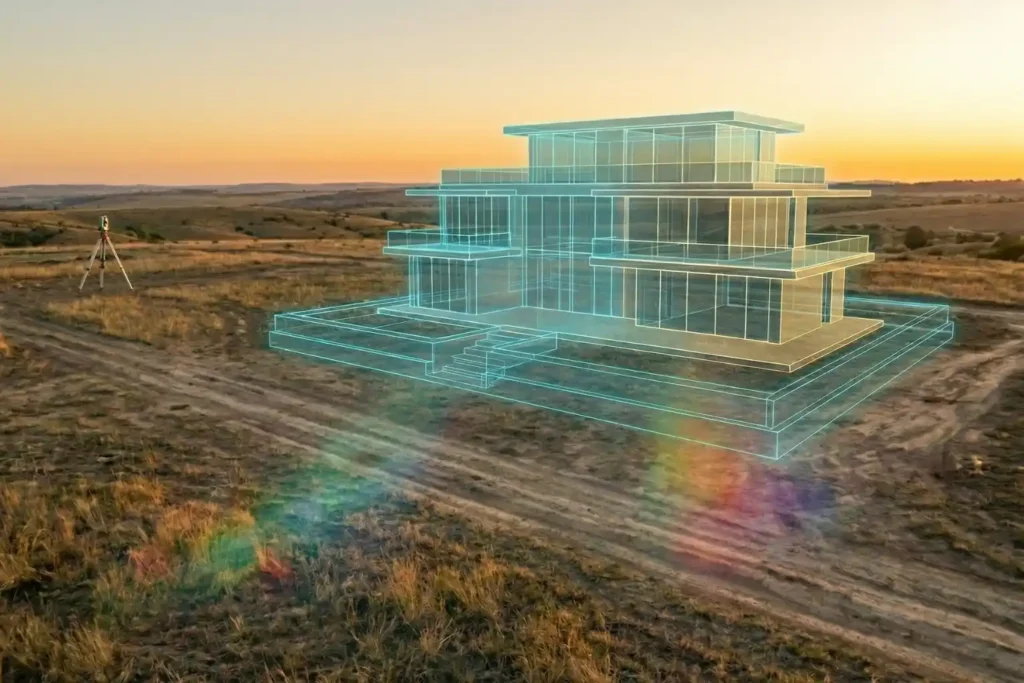
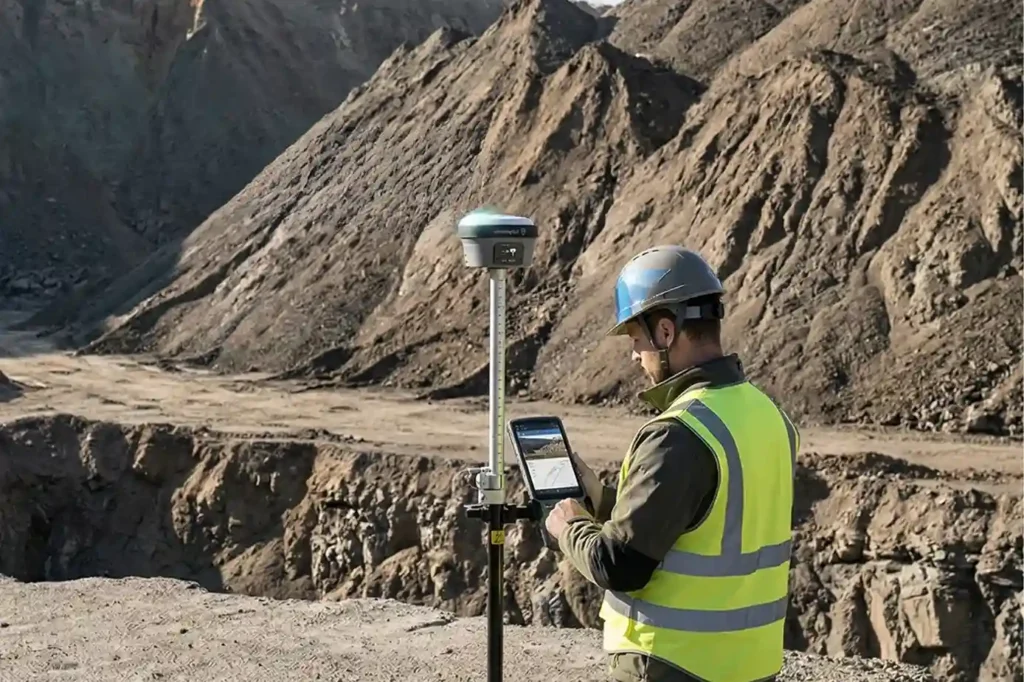
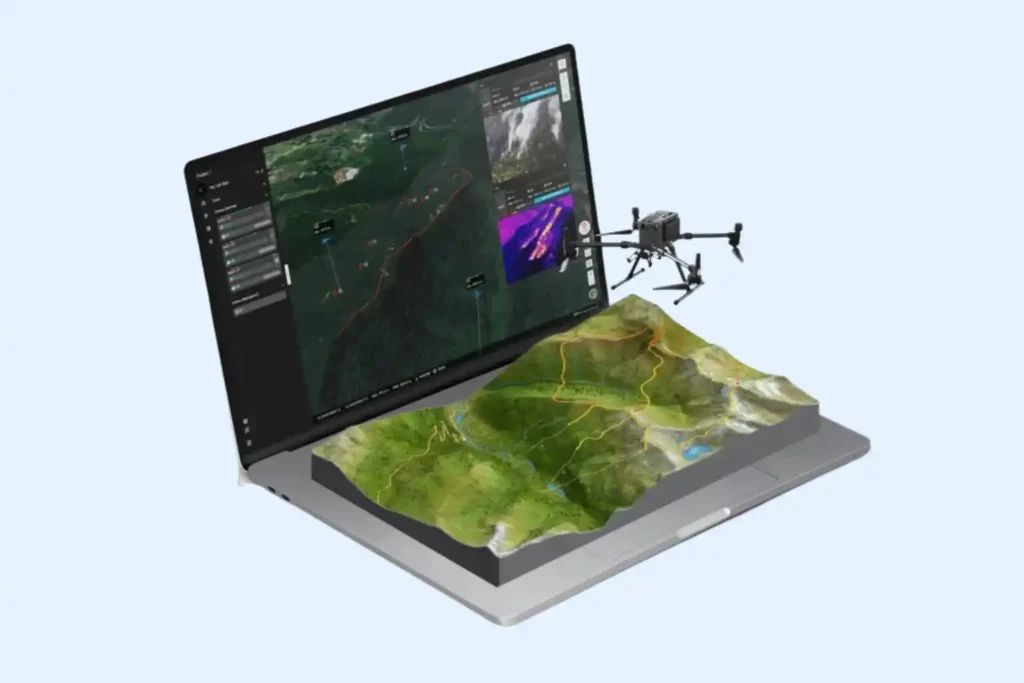
Project progress monitoring is a crucial aspect of managing construction projects, ensuring that tasks are completed on time, within budget, and according to specifications. The integration of advanced drone technology has transformed this process, offering unprecedented accuracy and efficiency. In this blog, we will delve into the core details of project progress monitoring and explore how GPS, LiDAR, and photogrammetry impact this vital aspect of construction management. Understanding Project Progress Monitoring Project progress monitoring involves tracking the completion of tasks and milestones in a construction project. It ensures that the project remains on schedule, identifies potential delays, and facilitates timely interventions. Traditionally, this process relied on manual inspections, which were time-consuming and prone to errors. However, the advent of construction drones equipped with advanced technologies has revolutionized project progress monitoring. The Role of GPS in Drone Technology GPS drone surveying plays a pivotal role in project progress monitoring. By utilizing satellite-based positioning, drones can accurately determine their location and altitude. This precision enables construction drones to create detailed maps and models of the construction site. For instance, GPS technology allows drones to follow predefined flight paths, ensuring comprehensive coverage of the site and consistent data collection. The real-time data provided by GPS-equipped drones helps project managers make informed decisions and keep the project on track. LiDAR Drones and Their Impact on Progress Monitoring LiDAR drones use laser pulses to measure distances and generate high-resolution 3D models of construction sites. This technology is particularly effective in identifying elevation changes, detecting potential obstacles, and assessing the overall site condition. LiDAR’s ability to penetrate foliage and other obstructions makes it invaluable for monitoring large and complex construction projects. The detailed 3D models produced by LiDAR drones provide a clear visual representation of the project’s progress, allowing for accurate comparisons with design plans and early detection of issues. Photogrammetry Drones in Construction Monitoring Photogrammetry drones capture high-resolution images from multiple angles and stitch them together to create detailed maps and 3D models. This process offers a comprehensive visual record of the construction site, facilitating regular progress updates and detailed inspections. The frequency of data collection with photogrammetry drones ensures that project managers have up-to-date information, enabling them to identify discrepancies, monitor the pace of work, and ensure adherence to schedules. This technology significantly enhances the accuracy and efficiency of project progress monitoring. In A Nutshell GPS, LiDAR, and photogrammetry technologies have revolutionized project progress monitoring in construction. These advanced drone technologies provide precise, real-time data that enhances decision-making, improves efficiency, and ensures the timely completion of projects. Embracing these innovations is essential for construction companies aiming to stay competitive and deliver high-quality results.

en_USEnglish
Powered by TranslatePress