Saving $1 Million Worth of Downtime with Drone-Based NDT

Drone-based non-destructive testing solution inspecting a vertical stack in an oil facility.

Drone-based non-destructive testing solutions (NDT) are redefining how critical infrastructure is inspected across high-risk, asset-intensive industries. Whether in oil & gas, petrochemical processing, power generation, or heavy manufacturing, the need for accurate, timely, and safe inspection of complex structures has never been more pressing. Non-Destructive Testing (NDT) refers to a range of inspection techniques used to evaluate the condition of materials, components, or entire systems without causing damage or interrupting operations. Traditional NDT methods, such as ultrasonic testing, visual inspection, magnetic particle testing, or radiography have been industry staples for decades. However, they often require production shutdowns, extensive manual access setups like scaffolding or rope access, and, in many cases, expose technicians to confined spaces, heights, or hazardous environments. This operational friction becomes especially problematic when inspections must be frequent, time-sensitive, or performed across wide geographic areas, such as pipeline corridors, offshore facilities, high-voltage substations, or elevated flare stacks. Moreover, the global push toward predictive maintenance, digital twin modeling, and ESG compliance is facing pressure on industries to modernize how inspections are conducted and reported. Drone-based non-destructive testing solutions introduce a paradigm shift. These systems, equipped with high-resolution RGB cameras, thermal imagers, ultrasonic sensors, LiDAR payloads, and real-time data links, can access challenging or dangerous environments without interrupting ongoing operations. By flying above, around, or inside critical assets, drones offer a safer, faster, and more scalable way to detect structural anomalies, surface corrosion, material thinning, or thermal inefficiencies. In industrial ecosystems where every hour of downtime can cost hundreds of thousands of dollars, and where safety risks must be proactively managed, drone-based inspection methods are no longer experimental; it’s mission-critical technologies. These systems support smarter decision-making, enhance asset visibility, and enable a move away from reactive “run-to-fail” maintenance models toward condition-based monitoring and predictive diagnostics. Terra Drone Arabia, a regional leader in drone-enabled inspection and geospatial intelligence, brings this capability to life through a suite of drone platforms and payload integrations tailored for industrial NDT use cases. Whether it’s ultrasonic thickness measurement of refinery tanks, thermal analysis of electrical components, or LiDAR scans of hard-to-access infrastructure, drone-based non-destructive testing solutions now empowers industries to inspect with confidence, without compromise. The Cost of Downtime in Industrial Operations A recent “Value of Reliability” survey reveals that more than two-thirds of industrial businesses face unplanned outages at least once a month, each costing an average of nearly $125,000 per hour. Surprisingly, despite these high stakes, 21% of the surveyed companies still operate under a run-to-fail maintenance approach. This reactive approach may appear cost-effective on the surface by avoiding upfront maintenance costs or extended inspection procedures, but it exposes operations to exponentially higher risks. Downtime disrupts production schedules, leads to missed SLAs, and can even result in cascading failures across interconnected assets. In high-throughput sectors like oil & gas, refining, or power generation, the true cost of downtime extends beyond direct financial loss. It includes: Lost production output For a refinery producing 250,000 barrels per day, even a few hours offline could equate to millions in lost revenue and delayed distribution contracts. Asset degradation and damage escalation Without early detection, issues like internal corrosion, fatigue cracking, or thermal stress can intensify, leading to unplanned shutdowns or even catastrophic failure. Safety and environmental risks Critical infrastructure failures, especially in high-pressure vessels, pipelines, or flare stacks, can cause HSE incidents, regulatory violations, and environmental damage. Supply chain disruption Many industrial operations operate within tightly linked ecosystems. Equipment failure at one facility can trigger upstream or downstream impacts across multiple sites. The shift toward predictive maintenance is not just a technological evolution, it’s a strategic imperative. Predictive models rely on continuous data from inspection systems and sensor networks to forecast equipment health and flag deviations early. However, these models are only as reliable as the quality and frequency of the data they receive. That’s where drone-based non-destructive testing (NDT) adds measurable value. By enabling more frequent, high-resolution inspections without interrupting operations, drones ensure that predictive models are continuously fed with accurate field data. This enhances forecasting accuracy, enables smarter resource allocation, and reduces the risk of surprise failures. Moreover, drone-based inspections significantly lower the need for temporary infrastructure such as scaffolding, rope access, or specialized work permits. This results in faster turnaround times, reduced labor hours, and improved personnel safety, without compromising inspection quality. As industries across MENA and globally move into the modern Industry, reducing unplanned downtime is no longer a reactive tactic. It is a benchmark of digital maturity and operational excellence. Advantages of Drone-Based NDT Over Traditional Methods Traditional non-destructive testing (NDT) methods—while proven—often come with significant operational challenges, especially in industrial environments where scale, complexity, and safety are paramount. Inspections typically require partial or full equipment shutdowns, manual access solutions such as scaffolding or rope systems, and significant human presence in hazardous or confined environments. These limitations not only increase inspection time and cost but also elevate risk and restrict the frequency of assessments. Drone-based non-destructive testing solutions, on the other hand, offer a modern, flexible alternative that aligns with real-time operational needs and Industry standards. Below is a breakdown of the key advantages of drone-enabled NDT compared to traditional inspection practices. Operational Continuity Many traditional NDT methods necessitate shutting down operations, draining tanks, or isolating systems to allow safe access for inspectors. This process not only halts productivity but also introduces complex permitting, manpower scheduling, and safety planning requirements. Drone-based NDT enables real-time inspections without disrupting ongoing operations. Whether it’s inspecting flare stacks during combustion, capturing tank roof conditions while in service, or surveying active substations, drones can perform thorough assessments without affecting asset availability. This supports continuous production and minimizes financial losses tied to downtime. For example, a refinery flare tip inspection that would traditionally require shutdown, scaffolding, and days of preparation can now be completed in under an hour using a drone with high-resolution zoom optics and thermal overlays. Enhanced Safety Traditional manual NDT inspections often place technicians in hazardous positions—on high structures, inside confined vessels, or near live

Drones for NDT in Oil & Gas and Petrochemical Industries
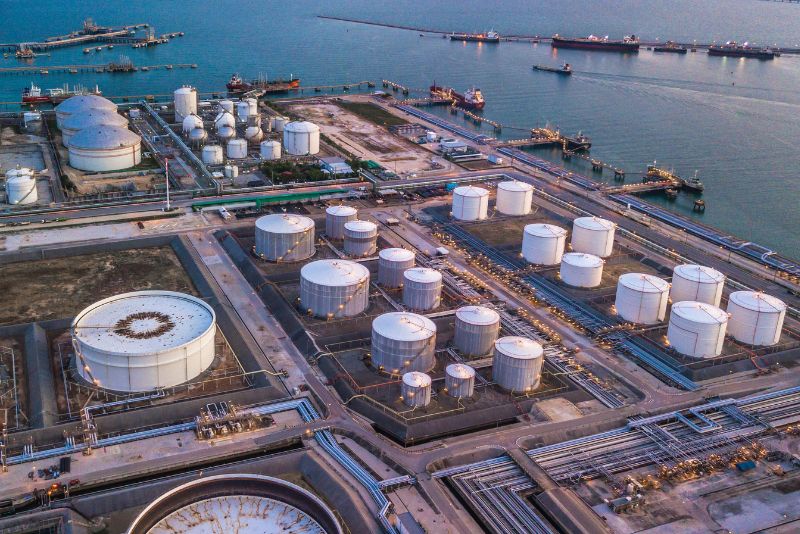
how drones are used to perform NDT inspection in oil & gas and petrochemical

Elevating Inspection Standards: Drones for NDT in Oil & Gas and Petrochemical The adoption of drones for NDT (Non-Destructive Testing) inspections has unlocked unprecedented possibilities for the oil & gas and petrochemical industries. Not only has it improved the safety of personnel, but it has also significantly boosted efficiency and cost-effectiveness.   A New Era of Inspection: Why Use UAV for NDT? When utilizing this technology for inspection, several benefits come to light. Drones offer greater accessibility, are able to operate in hazardous or difficult-to-reach areas, and minimize the need for human involvement in potentially dangerous situations. Moreover, they significantly speed up the inspection process, leading to considerable cost and time savings. Also Read: Changing the Game: Using Drones for Stockpile Calculation in Coal Mining The Mechanism: How Does Unmanned Aircraft for NDT Work? Drones used for NDT inspections are equipped with an array of sensors and imaging technologies, enabling them to effectively assess the integrity of structures. They capture high-resolution imagery and data, which is then analyzed to identify potential defects or areas of concern. Read More: Terra Drone invests in RoNik to offer advanced nondestructive testing and inspections   Practical Applications: Drones for NDT in Action The oil & gas and petrochemical industries are known for their complex and vast infrastructures. Drones have proven to be an invaluable tool for inspecting such facilities, drastically reducing the time, costs, and risks traditionally associated with NDT inspections. Read More: Sky-high Solutions: 5 Benefits of Using Drones in Petrochemicals Industry The Future: Next Steps for Drones and NDT As technology continues to advance, so too does the potential for drones in NDT inspections. The integration of AI and machine learning could further enhance data analysis, while the development of specialized sensors may increase the range of defects detectable by drones. Read More: Nondestructive Testing (NDT) Trends The Impact: UAV for NDT Transforming Industries In conclusion, this sophisticated technology for NDT inspections are reshaping traditional inspection methods in the oil & gas and petrochemical industries. With their ability to improve safety, efficiency, and cost-effectiveness, drones have cemented their place as a crucial instrument in the future of these industries.

en_USEnglish
Powered by TranslatePress