
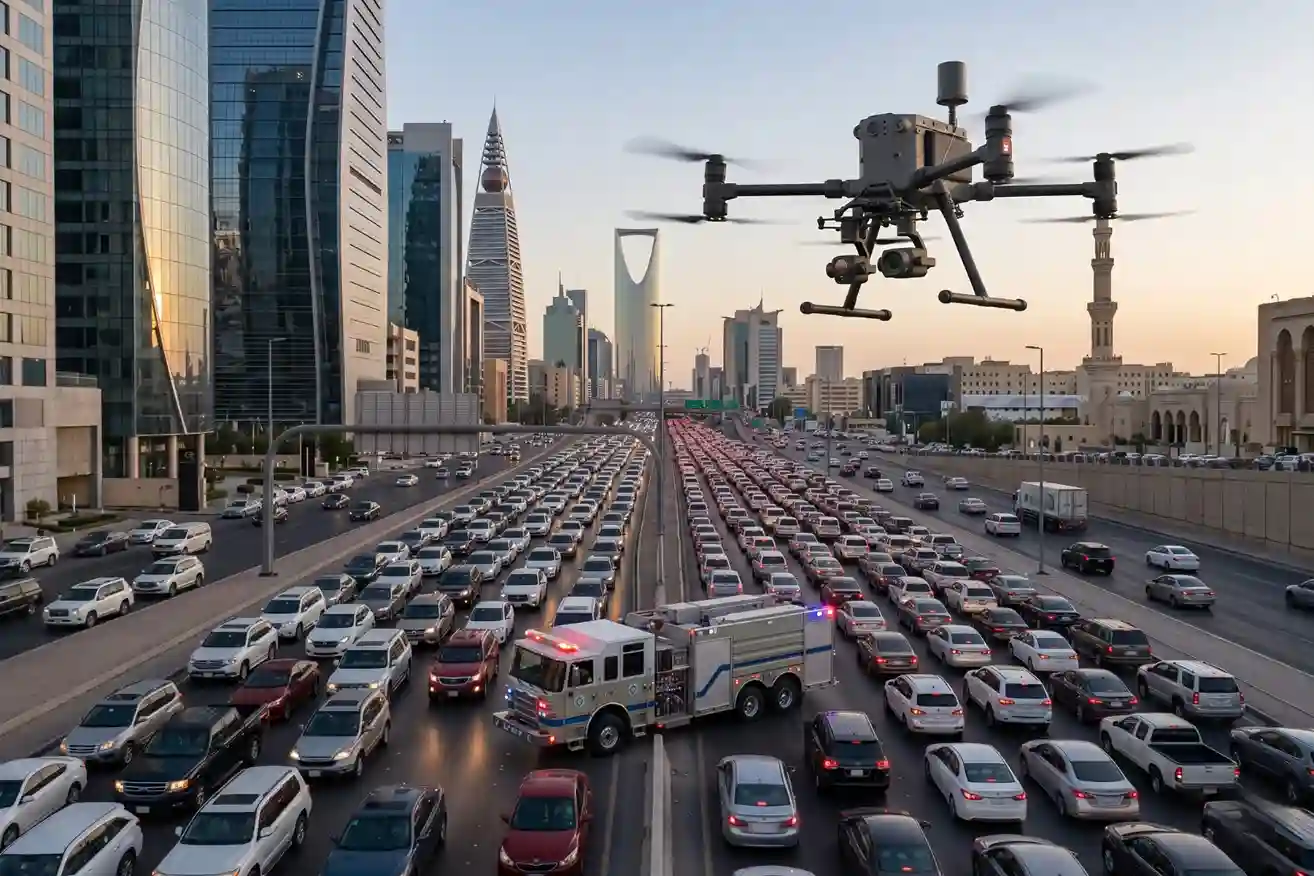
The “7-minute gap” is a major problem for emergency services in modern smart cities. While ground teams try to reach an emergency in 7 minutes, rising traffic and massive construction projects in cities like Riyadh and Jeddah make this almost impossible.
The need for better monitoring is a global trend. Recently, the Sindh police in Pakistan decided to set up a dedicated aerial surveillance unit to monitor cities, highways, and remote areas. They recognized that using drones for digital monitoring is the future of keeping the public safe.
Taking inspiration from this, it is a good idea for every major city to have a special unit that can patrol throughout the urban area. A dedicated patrol unit provides a constant “eye in the sky” that can spot problems before ground crews even leave the station.
This speed is vital because the consequences of delay are very high. Statistically, the chance of severe building damage increases by 1% for every extra minute of delay. In medical crises, the stakes are even higher. Every 1-minute delay in arrival reduces a person’s survival odds by 7% to 10%. Once a delay passes 12 minutes, the risk of death doubles.
A dedicated aerial patrol unit is now an essential step to bridge this life-saving gap. It ensures help arrives at the scene before ground crews even navigate the first traffic jam.
Deploy Autonomous Drone Operation for City Surveillance
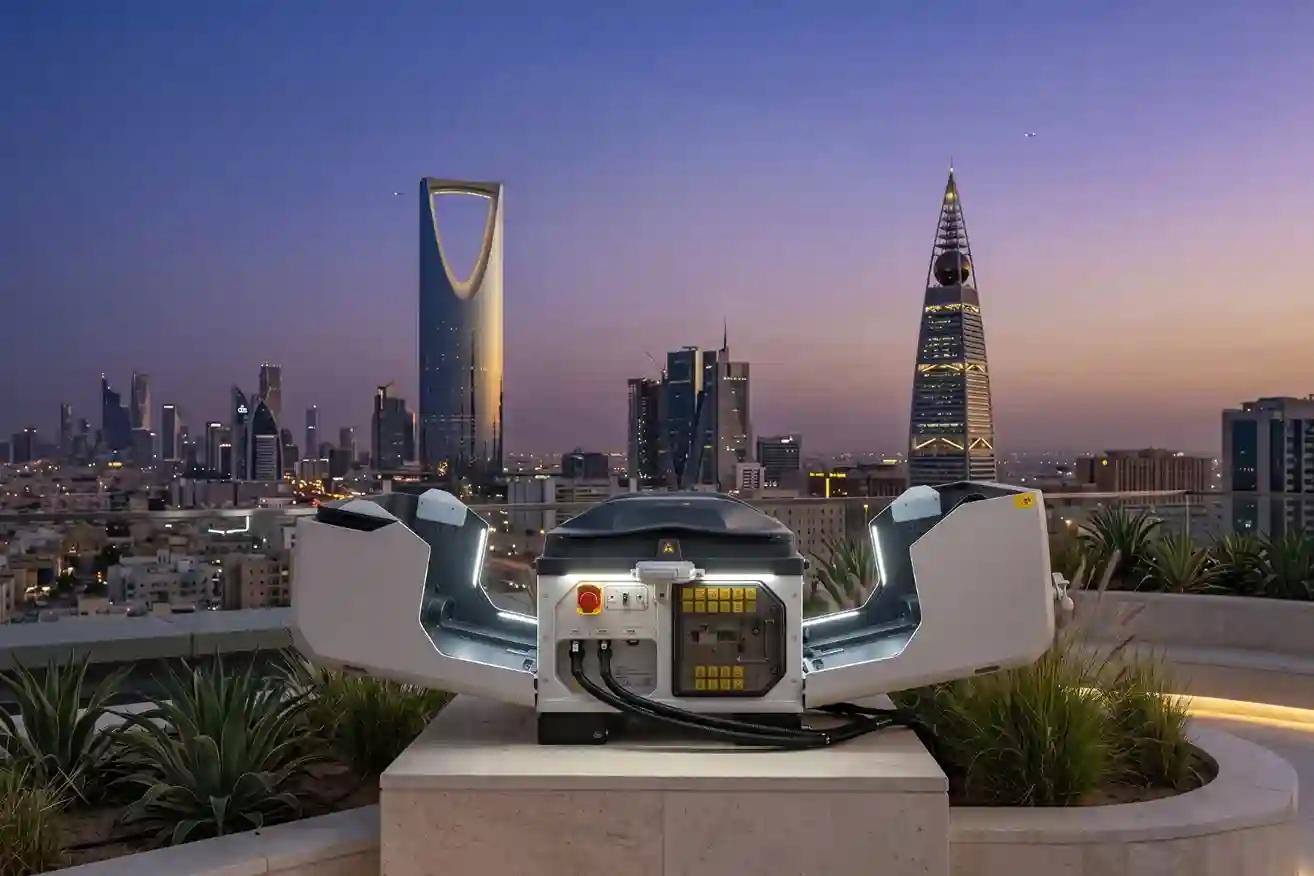
The DJI Dock 3 functions as a permanent, weather-resistant station for drones within a smart city. It removes the need for a pilot to be on-site, which eliminates the time spent on manual setup and battery preparation.
When a call is received, the dock opens and dispatches the drone to the specific GPS coordinates of the emergency. This allows the emergency response unit to fly over traffic and urban obstacles that slow down traditional fire trucks.
The station is managed through a remote cloud platform, enabling a single operator to monitor several locations from one command center. This centralized system ensures that high-definition video is shared with all first responders in real-time.
To maintain 24/7 readiness, the dock features an automated charging system that restores the drone’s power immediately after a flight. This ensures the unit remains in a “ready-to-launch” state, supporting a continuous “Drone as First Responder” (DFR) program.
These docks are also built with integrated climate control to protect sensitive sensors from extreme heat or sand. This durability is essential for maintaining reliable aerial surveillance in the challenging climates of the Middle East.
By utilizing this “drone-in-a-box” technology, cities can provide a constant protective shield without the high cost of manual patrols. This automation is the key to reducing the 7-minute ground response to a 90-second aerial arrival.
Protect your site from unauthorized drones. Read how an anti drone system finds hidden threats to secure your perimeter.
The Value
Saudi Arabia is currently witnessing a massive expansion in its drone sector, with the market projected to reach 6.0 billion SAR by 2033. This growth is a core part of the Kingdom’s Vision 2030 goals for digital transformation and localized technological leadership.
In this rapidly evolving landscape, a smart city can reduce average emergency response times to just 2.5 minutes using DFR programs. This level of speed is essential for saving lives in both high-density urban centers and remote industrial zones.
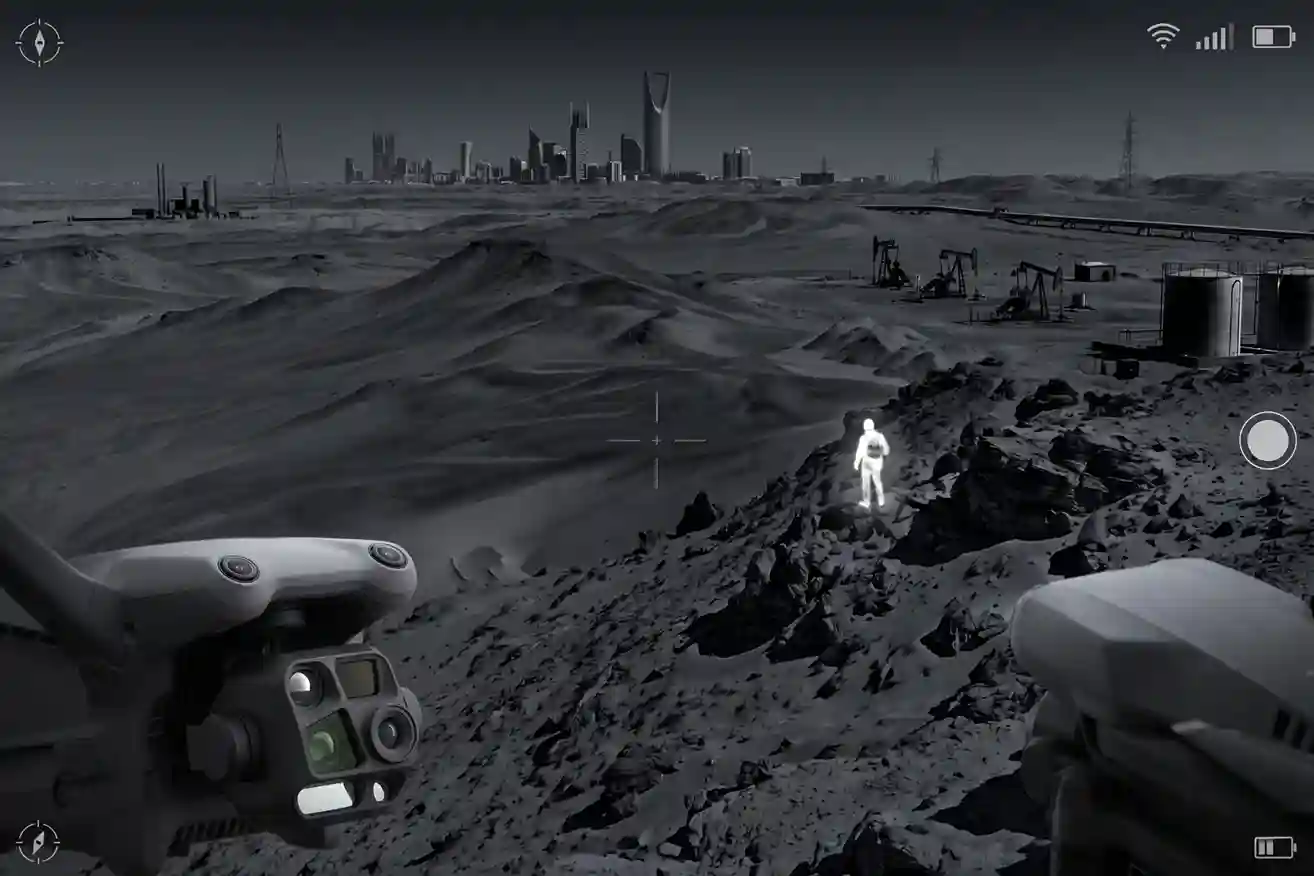
Specialized technology, such as the Matrice 4TD, allows search drones to identify human heat signatures in total darkness. These units can scan miles of difficult terrain in just a few minutes, making them far more efficient than ground-based search teams.
The financial advantage of this technology is also a major factor for municipal leaders to consider. Professional drone units cost between 3,750 SAR-18,750 SAR, whereas traditional helicopter flights can reach 112,500 SAR per day.
By switching to autonomous aerial units for public safety and site inspections, cities can reduce operational costs by approximately 50%. These savings allow for the sustainable scaling of safety services as urban populations continue to grow.
This data-driven approach ensures that disaster management efforts are highly effective and economically viable for the long term. It also ensures all operations are fully compliant with GACA drone regulations 2026 and national safety standards.
Building Your City’s Aerial Shield
Modern safety requires a move away from slow, manual processes to high-speed automation. Waiting for a major disaster to occur is a risk that most cities cannot afford to take.
Consult our expert to analyze your city’s specific needs and help you build an emergency response unit that protects your community every hour of the day.