Cloud-First Mapping: Accelerating Construction Timelines with ArcGIS Online and ArcGIS Enterprise
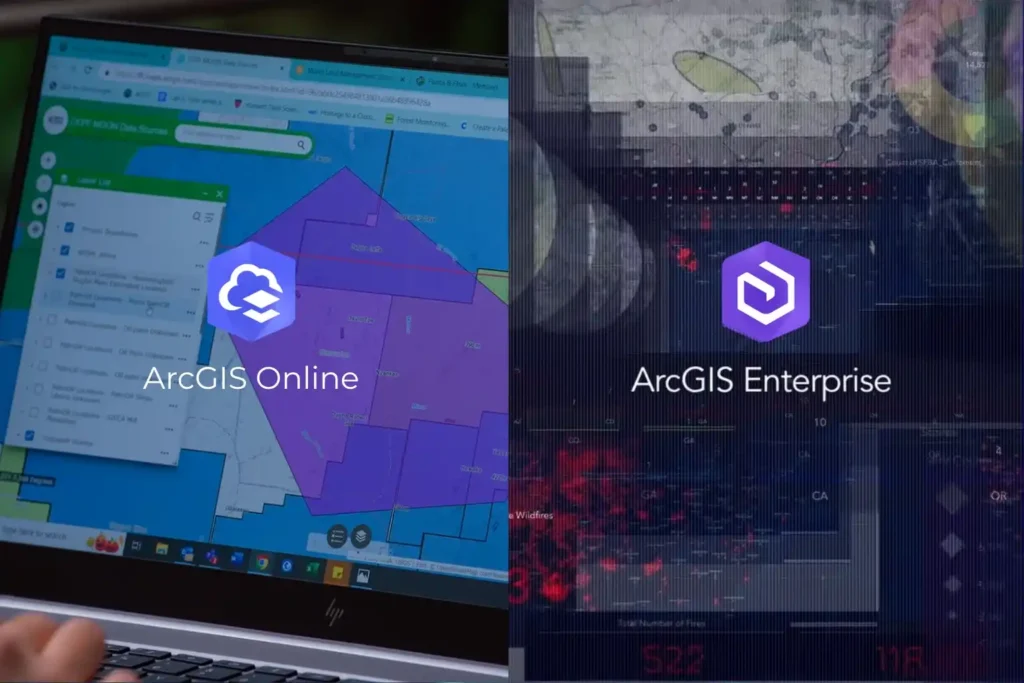
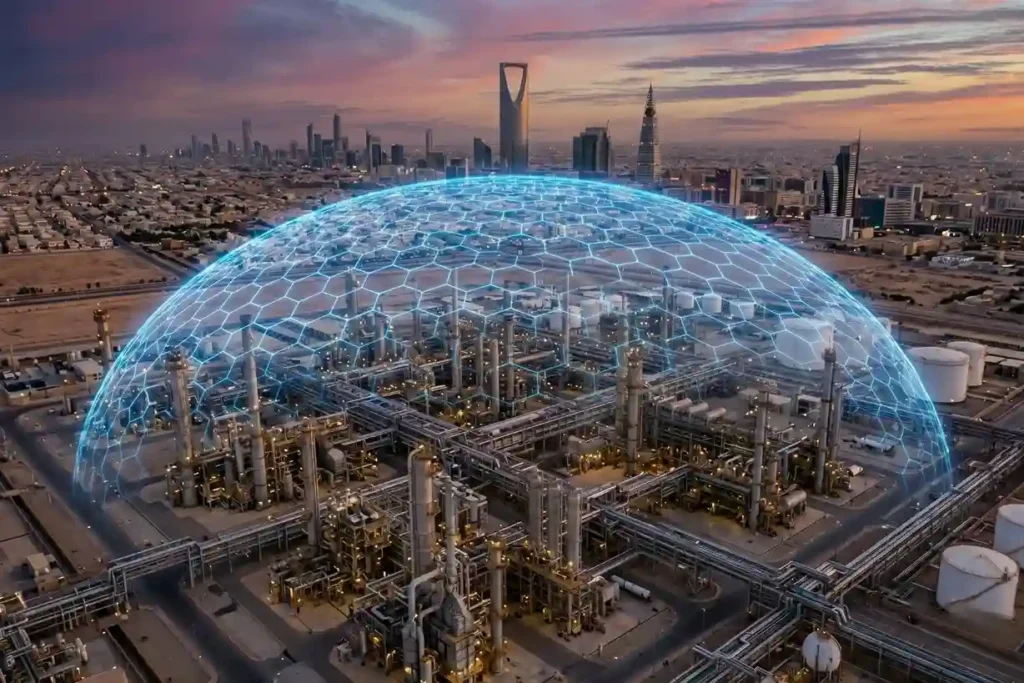
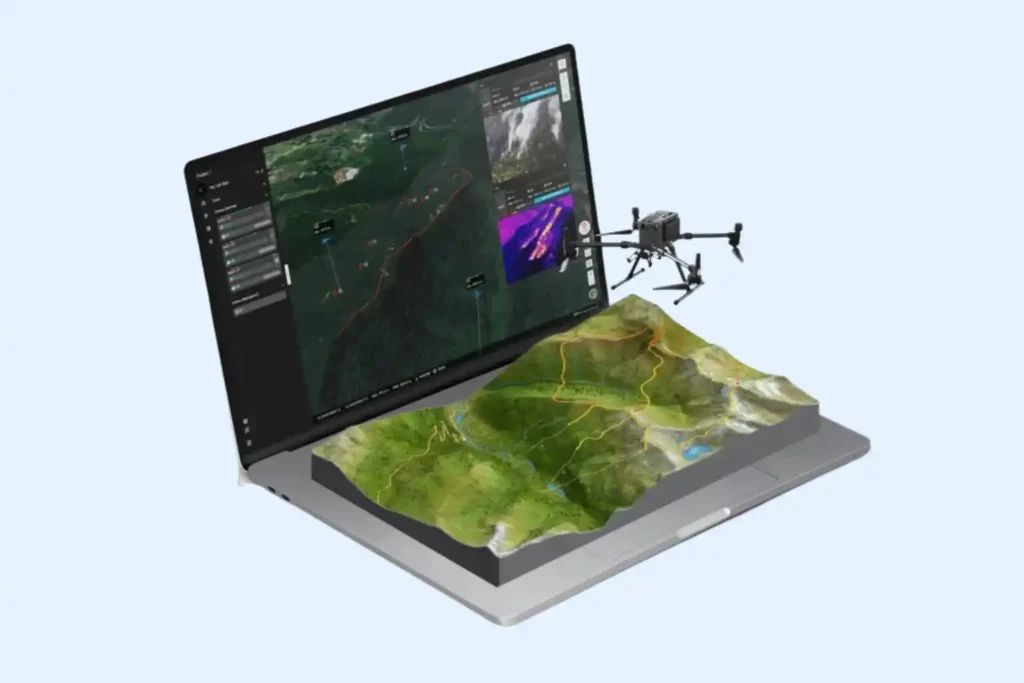
The Engine Room of Spatial Intelligence Every drone mission whether it is an inspection of a solar farm in NEOM or a volumetric survey in the empty quarter ends with a massive influx of data. Thousands of images, high-density point clouds, and thermal layers require a “home.” Without a robust platform to organize and visualize this information, your drone program is just a collection of hard drives. In the world of professional GIS, the choice of a home usually comes down to two paths: ArcGIS Online and ArcGIS Enterprise. Both platforms are industry-leading, but they offer fundamentally different approaches to how you manage, secure, and share your spatial intelligence. Choosing the wrong one can lead to operational bottlenecks or security risks. ArcGIS Online vs ArcGIS Enterprise Technically, both platforms allow you to create maps, analyze data, and share insights. However, the “where” and “how” differ significantly. ArcGIS Online: ArcGIS Online is a cloud-based Software-as-a-Service (SaaS) platform. Esri hosts the software, manages the updates, and handles the infrastructure. Zero Infrastructure: You don’t need servers or a specialized IT team to launch. You simply log in via a browser. Rapid Scalability: If you suddenly add 50 new field users, the cloud scales instantly to accommodate them. Mobile Synergy: It is perfectly optimized for field apps like ArcGIS Field Maps, allowing drone pilots to upload data directly to a shared cloud map. ArcGIS Enterprise: ArcGIS Enterprise is the full-featured GIS system designed to run on your infrastructure whether that is on-premises servers or your private cloud (like AWS or Azure). Total Data Sovereignty: You control exactly where your data sits. This is vital for industries with strict national security or privacy regulations. Advanced Analytics: Enterprise includes powerful components like the ArcGIS Image Server, which handles the massive raster processing required for large-scale drone orthomosaics. The Four Components: It consists of a Web Adaptor, a Portal, a Server, and a Data Store, giving your IT department granular control over every connection and permission. Choosing the Right Stack for Industrial Excellence The decision is rarely about which software is “better,” but rather which one fits your industry’s regulatory landscape. In Saudi Arabia, where giga-projects and the energy sector are governed by strict data residency laws, ArcGIS Enterprise is often the gold standard. It allows organizations to keep sensitive infrastructure data behind their own firewalls while still providing a collaborative “Portal” for engineers to access drone-captured Digital Twins. Conversely, for rapid urban development and environmental monitoring, ArcGIS Online offers a lower barrier to entry. It allows project managers to share interactive maps with stakeholders globally without the complexity of managing server hardware. Build Your Geospatial Future The future of industrial intelligence is not just about flying drones; it is about building the infrastructure that lives on the ground. Whether you need the agile, cloud-native power of ArcGIS Online or the secure, robust environment of ArcGIS Enterprise, the right architecture is essential for long-term success. As a strategic geospatial partner, we specialize in helping organizations choose and implement the right Esri stack. We bridge the gap between drone data acquisition and long-term GIS management. Let us help you architect a GIS solution that turns your drone data into a national asset.
ROV-Based Monitoring for Marine Infrastructure and Coastal Inspection Assets
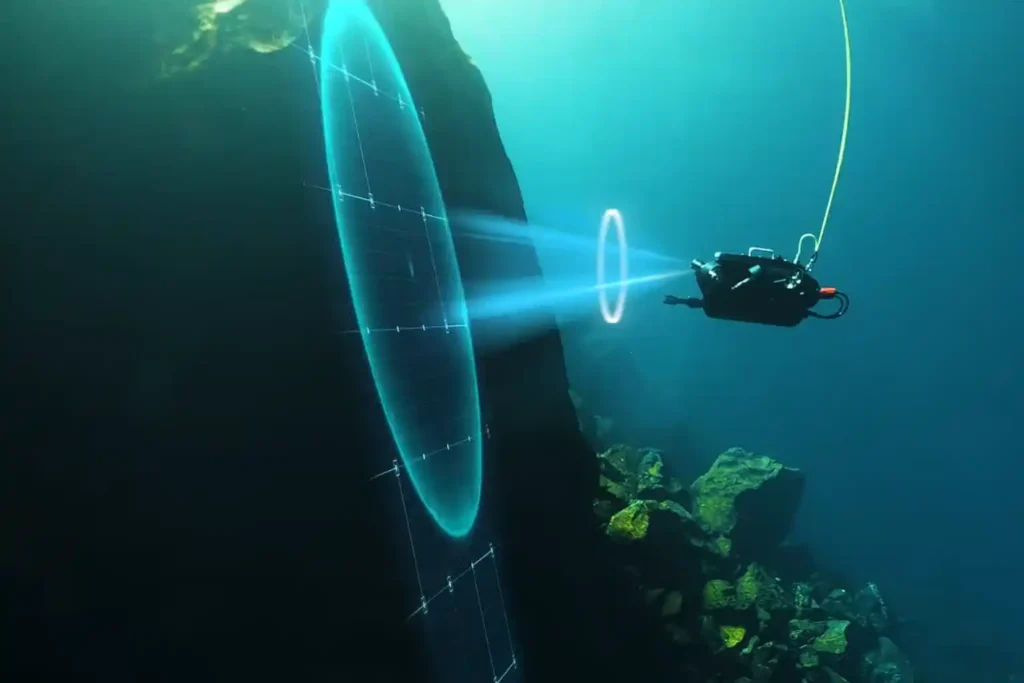
The Challenge Beneath the Surface The foundations of the MENA economy—jetties, bridges, seawalls, port facilities, and offshore energy platforms—rely on submerged infrastructure. These assets face a brutal, unseen enemy: the marine environment. Constant exposure to seawater, which is highly corrosive, leads to material loss. This structural decay is worsened by biofouling—the rapid growth of marine organisms that attach to surfaces and accelerate corrosion. These environmental stressors lead to structural fatigue and threaten the longevity of vital infrastructure. The traditional approach to inspection only compounds the problem: Safety, Risk, and Accessibility: Inspecting submerged assets typically requires human divers. This process is inherently risky due to high currents, low visibility, and deep or confined spaces. Human divers are physically limited in depth and endurance, restricting their bottom time to one or two hours. High Cost and Downtime: Diver-based inspections are costly and time-consuming, requiring extensive coordination and specialized teams. For assets like fuel tanks, inspection often requires draining the tank, halting operations, and causing significant revenue loss. Data Quality: Diver reports are often subjective, lack precise location data (geotagging), and are difficult for engineers to rely on for long-term predictive models. The region urgently needs a safer, more efficient, and data-driven way to manage its critical maritime assets. The Rise of ROV-Based Monitoring Remotely Operated Vehicles (ROVs) are robotic systems that are transforming underwater inspection workflows by eliminating the need for human presence in high-risk zones. This technology has moved from specialized offshore use to become the standard for routine ROV-based monitoring for marine inspection assets. I. Advanced Technologies for Unseen Environments Inspection-class ROVs are compact, agile, and equipped with a versatile sensor suite designed to overcome the limitations of the marine environment. Visual and Sonar Imaging: ROVs use high-definition cameras and bright LED lighting to provide unparalleled visibility in clear water. More critically, they carry multibeam or scanning sonar for navigation and imaging in areas with poor visibility, such as murky water or sediment-rich areas. Sonar emits sound waves to create a clear picture of the environment, even when the operator cannot see. Navigation and Positioning: Advanced systems leverage DVL (Doppler Velocity Log) and U-INS (Underwater Inertial Navigation System) to ensure stable control and precise positioning. This means the ROV can hover automatically in turbulent conditions and record the exact GPS coordinates of every finding (geotagging), allowing for easier data correlation later. Core Payloads: ROVs are modular and can carry essential tools, including laser scaling devices for precise measurement, environmental sensors (temperature, salinity), and Ultrasonic Thickness (UT) gauges for Non-Destructive Testing (NDT). II. Applications Across Marine Infrastructure ROV-based monitoring for marine inspection assets is suitable for virtually all submerged structures: Port Facilities and Jetties: ROVs inspect submerged concrete degradation, scour (erosion around foundations), joint separations, and piling integrity. Offshore Energy: They assess corrosion, marine growth, and cathodic protection anodes around platform jackets, risers, and offshore wind turbine foundations. Vessels and Confined Spaces: Shipowners use ROVs for underwater hull inspection and ballast tank checks, often eliminating the need for costly dry docking. Pipelines and Cables: ROVs perform routine checks for corrosion, sediment buildup, structural anomalies, and accurate depth-of-burial surveys. From Reactive to Predictive Maintenance The immediate deployment and continuous operation of ROVs transform asset care from a reactive, emergency response into a proactive, data-driven strategy. III. Enabling Proactive Asset Management Reduced Human Risk and Downtime: The primary gain is safety. ROVs operate in challenging conditions such as extreme depths, high currents, and contaminated waters, eliminating risks to human divers. Furthermore, ROVs can be deployed in minutes and operate continuously without the time restrictions of human divers, ensuring operational continuity. Quantitative Corrosion and Damage Assessment: Equipped with UT gauges, ROVs perform precise NDT, measuring wall thickness to determine corrosion and material loss. The data collected is highly traceable and auditable. Continuous Monitoring for Early Detection: The low cost and rapid deployment encourage more frequent inspections. This continuous monitoring allows owners to detect minor anomalies early, preventing small cracks or corrosion spots from escalating into severe structural failures. digital twin Integration: The high-resolution video, sonar images, and UT measurements are stored in cloud platforms like Terra 3D Inspect. This data builds and updates the asset’s digital twin, a virtual replica that allows managers to run simulations, forecast structural decay, and schedule maintenance precisely, maximizing the asset’s lifespan. IV. Synergy with Full Asset Visibility The underwater data is far more valuable when combined with aerial and terrestrial data. Our workflow integrates ROV bathymetry and scour data with drone LiDAR surveys of the dry dock and pier structures above the water line. This holistic approach provides complete, 360° asset visibility, moving beyond the subsea environment alone. Advancing Coastal Resilience with Smart Inspection The integration of remote technology is no longer optional; it is essential for supporting sustainable coastal and offshore infrastructure development under Saudi Vision 2030. Adoption Mandate: Organizations must adopt ROV-based monitoring for marine inspection assets as a cornerstone of their asset integrity programs. The cost benefits, avoiding drainage, reducing labor, and preventing downtime far exceed the cost of the technology itself, often providing a payback period of less than one year. Standardization and Integration: We encourage the integration of ROV data into existing GIS and digital twin systems for seamless lifecycle tracking. Partnering for Expertise: Terra Drone Arabia offers a complete suite of solutions, combining specialized expertise in subsea data acquisition with world-leading technology. We partner with innovators like QYSEA Technology to utilize ROVs (like the FIFISH Expert series) that are compact, maneuverable, and equipped with AI-enabled navigation and sonar systems. Our certified team ensures safe, efficient deployment and delivers actionable insights. Secure the long-term integrity of your marine assets. Contact us to discuss implementing an ROV pilot program and transforming your maintenance strategy from reactive to predictive.
Drones as a Pillar of Vision 2030: Integrating National Strategy and Unmanned Aerial Systems
Saudi Arabia’s Vision 2030 is one of the most ambitious transformation programs in the world, aiming to diversify the economy, empower new industries, and deliver smarter, more sustainable cities. Achieving these goals requires advanced digital technologies, and drones are quickly proving themselves to be a pillar of this national strategy. Globally, drones have reshaped industries by cutting costs, reducing risks, and accelerating the delivery of projects. For the Kingdom, the potential is even greater. With its vast energy assets, ambitious smart city projects, and focus on sustainability, Saudi Arabia can lead the Middle East in drone adoption through forward-thinking regulation, public–private partnerships, and large-scale deployment across industries. Building Technical and Strategic Relevance Saudi Arabia’s Vision 2030 rests on three central pillars: creating vibrant societies, diversifying the economy, and building a sustainable future. Drones directly support these objectives by acting as scalable tools that capture, process, and deliver actionable data across the Kingdom’s critical industries. Vision 2030 Goals Supported by Drones Smart Cities Modern smart cities such as NEOM and The Line require live, accurate, and dynamic datasets to function. Drones generate digital twins of entire districts by combining LiDAR scans, RGB imagery, and multispectral data into GIS platforms. Urban mobility strategies also depend on drones for traffic analysis, congestion detection, and integration with UAV Traffic Management (UTM) systems, ensuring safe coexistence of drones and traditional air traffic. By automating city-wide monitoring, drones reduce the time to collect planning data from months to days, enabling urban developers to respond faster to growth challenges. Energy and Utilities Drones have already demonstrated their ability to transform inspections. For example, during a diesel tank inspection at an oil depot, drones reduced downtime from two weeks to just four hours, saving 13 days and 20 hours of lost operations. In utilities, drones inspect transmission lines and substations without cutting off power supply. Thermal cameras detect hotspots in transformers or insulators, while high-resolution zoom sensors identify cracks or corrosion before failure occurs. Compared to ground or rope-access inspections, drones deliver datasets that are both more comprehensive and safer, while reducing inspection costs by 50–70%. Agriculture and Food Security Saudi Arabia’s arid climate demands resource efficiency. Drones support precision agriculture by using multispectral cameras to detect crop stress, identify nutrient deficiencies, and guide irrigation schedules. Drones reduce manual labor costs by 30% and power consumption by 20% by optimizing input distribution and flight-based spraying. Yield prediction models improve accuracy when fed with drone-acquired NDVI (Normalized Difference Vegetation Index) data, allowing farmers to plan harvests and contribute to Vision 2030’s food security objectives. Environmental Sustainability Climate change and sustainability goals require persistent environmental monitoring. Drones equipped with methane detection sensors can detect and quantify leaks with high sensitivity. Frequent inspections reduce leak persistence and can cut emissions by 30% or more compared to traditional surveys. For air quality monitoring, drones fly pre-programmed routes equipped with 5 and PM10 sensors, providing real-time readings across industrial zones. In biodiversity management, thermal and multispectral cameras track wildlife movement, detect changes in vegetation cover, and monitor desertification patterns, helping the Kingdom align with its climate resilience strategies. Digital Infrastructure and Drone Integration The Kingdom’s future-ready economy requires robust digital infrastructure. Drones are not just tools for inspection; they are data-generation engines feeding national systems. GIS Databases: Drone imagery provides georeferenced data that feeds national geographic information systems, supporting planning, defense, and disaster response. LiDAR Mapping: High-density LiDAR scans build 3D terrain models accurate to a few centimeters, creating the foundation for digital twins and advanced civil engineering projects. Mobile Mapping: Drones extend mobile mapping into remote or hard-to-reach areas, where traditional survey vehicles cannot operate. Autonomy at Scale: With platforms like DJI Dock 3, drones operate autonomously, flying pre-programmed routes, charging automatically, and uploading data directly to the cloud. This ensures repeatable, standardized data collection that supports national-scale projects without requiring thousands of manual pilots. By integrating drones into digital infrastructure, Saudi Arabia positions itself to accelerate Vision 2030 goals across smart cities, energy diversification, agricultural sustainability, and climate action. Strategic Roadmap for Adoption For drones to become a true pillar of Saudi Arabia’s Vision 2030, adoption must move beyond isolated projects and pilot programs. It requires a strategic roadmap that ties national benefits to ecosystem development and regulatory modernization. National Benefits of Drones in Vision 2030 Operational Efficiency Across industries, drones have proven their ability to dramatically reduce inspection time and costs. In oil and gas, drones cut tank inspection time from two weeks to four hours, eliminating nearly 14 days of downtime. In agriculture, drone spraying reduces labor by 30% and lowers energy use by 20%, maximizing yields in arid regions. For utilities, drones reduce operational costs by 50–70% by eliminating the need for scaffolding, helicopters, or long shutdowns. Safety Enhancement Drones reduce the need for workers to scale flare stacks, powerlines, or telecom towers. By removing crews from these hazardous environments, accident risks drop by as much as 91%. This safety record strengthens compliance with workplace safety regulations while improving employee well-being. Data-Driven Governance High-resolution geospatial datasets from drones feed into GIS systems and digital twin models. This data enables ministries and municipalities to manage resources, monitor progress, and make evidence-based decisions. From monitoring Vision 2030 mega-projects like NEOM to tracking carbon emissions, drone data ensures progress is measurable and transparent. Multi-Stakeholder Ecosystem Development For drones to scale nationally, adoption must involve all stakeholders: Government Agencies: The General Authority of Civil Aviation (GACA) defines safe airspace rules for drone flights. Expanding frameworks for beyond-visual-line-of-sight (BVLOS) operations will be critical to unlocking logistics, transportation, and regional inspection projects. Industry Leaders: Oil and gas companies, utilities, and telecom operators are already deploying drones at scale. Sharing data and standardizing procedures will help expand adoption across sectors. Mega Projects: Initiatives like NEOM and The Line are testbeds for smart city drone integration, from urban mobility corridors to autonomous inspection systems. Academia and R&D: Universities and innovation centers can accelerate research into sensor technology, battery endurance, and autonomous navigation, ensuring Saudi Arabia
Advance Your Horizons: A Guide to Drone Career Path in 2025

The drone career path is no longer an emerging concept, it’s a well-defined route to high-value roles across industries that rely on precision, efficiency, and innovation. From flare stack inspections in oil & gas to aerial mapping in urban planning, drones have become a central part of modern operations. As we step into 2025, UAV professionals are becoming mission-critical to digital transformation efforts, particularly in regions like Saudi Arabia and the wider MENA area. Structured growth and proper certification aren’t just recommended — they are the foundation of long-term success in this field. The Starting Point: Entry-Level Drone Roles The first step into a UAV career often begins with support roles emphasizing learning by doing. Entry-level operators might assist with visual drone inspections of industrial assets, such as tanks, towers, or pipelines, or manage checklists during missions. These early positions are perfect for building technical awareness and field discipline. Foundational training in photogrammetry and GIS platforms like DJI Terra or ArcGIS Field Maps is commonly introduced at this stage. Additionally, formal certifications such as GACAR Part 107 (in Saudi Arabia) or equivalent national licenses ensure operators understand aviation safety, airspace rules, and mission planning, all essential to industrial compliance. Building Skills Through Certification and Field Experience Once the basics are in place, aspiring drone professionals should actively seek hands-on flight hours. The goal here is to become fluent with different payloads: thermal cameras, multispectral sensors, LiDAR scanners, and high-zoom RGB imaging systems. Industrial use cases, especially in oil & gas, power generation, and infrastructure — demand comfort with automated mission planning, waypoint routing, and live data interpretation. This is also the right time to dive into manufacturer training (like DJI Enterprise programs) or platforms such as Pix4D, FlightHub 2, and Terra Mapper to understand post-processing and mission management tools. In short, growing from operator to asset requires more than flying — it requires confidence in equipment, mission logic, and post-flight deliverables. Specializing in Industry Needs To stand out, professionals should tailor their skills to sector demands. For example, the oil & gas industry often requires familiarity with ultrasonic testing (UT) via drones, or non-destructive testing (NDT) using robotic systems like Voliro T. In agriculture, it’s all about multispectral mapping, NDVI analysis, and precision spraying logic. Each sector comes with its own vocabulary, safety culture, and data expectations. That’s why mid-level drone professionals must invest in contextual expertise: Utilities & power: risk-aware inspections, thermal fault detection Construction: BIM integration, volumetric analysis Renewable energy: panel array surveys, defect localization Urban planning: zoning data overlays, digital twin creation Software proficiencies become more important here too, with CAD, LiDAR data tools, and GIS integration forming the backbone of deliverables. Advancing to Mid-Level Roles With experience and specialization, many UAV professionals move into roles like Lead Operator or Mission Planner. These individuals oversee site planning, lead field teams, and ensure compliance with safety and flight protocols. They also contribute heavily to operational documentation — flight logs, asset reports, and pre/post-inspection forms. At this level, mentoring junior pilots and helping onboard new tech platforms is often part of the role. Professionals who excel here are the ones who balance technical confidence with operational discipline. People who don’t just fly well, but also communicate, document, and manage well. Reaching Leadership: Operations Manager or Technical Lead At the top of the drone career path are roles that go far beyond flight. UAV Operations Managers or Technical Leads manage entire drone programs, overseeing fleets, scheduling missions, setting internal SOPs, and liaising with regulators or enterprise clients. They often work closely with cross-functional teams: AI & data science units (for predictive analytics, anomaly detection) GIS departments (for model integration and spatial workflows) Compliance and safety teams (for audits, risk assessments, and reporting) Leaders in this space often participate in R&D discussions, vet new hardware, and pilot innovation projects, such as integrating digital twins, real-time mapping, or cloud-based remote inspections into day-to-day operations. This is where drone professionals evolve into decision-makers and strategists, shaping the future of industrial UAV adoption. Conclusion In 2025 and beyond, the drone career path is no longer limited to enthusiasts or specialists. It’s a legitimate, scalable career with entry points, vertical mobility, and global demand. The MENA region, especially Saudi Arabia under Vision 2030, is creating enormous opportunities for certified UAV professionals who combine technical excellence with industry understanding. Whether starting as a visual inspector or leading a national drone program, the career path is wide open. For those willing to invest in certification, specialization, and continuous learning, the drone industry isn’t just taking off. It’s landing big careers.
Drones for Industrial Inspections: Transforming Asset Management

Drones for industrial inspections are rapidly redefining how organizations manage, monitor, and safeguard critical assets. Across sectors such as oil and gas, power generation, infrastructure, and mining, inspections are not only vital for ensuring operational safety, regulatory compliance, and efficiency, but also for preserving asset longevity and optimizing lifecycle management in heavy industries. Regular inspections form the backbone of both preventive and reactive maintenance strategies, enabling companies to detect early signs of wear, plan timely interventions, and avoid costly failures that can disrupt operations. Traditionally, inspection methods have been labor-intensive, costly, and high-risk. However, with the rise of unmanned aerial vehicles (UAVs), industries worldwide are embracing a technological shift that delivers faster, safer, and more accurate inspections. As global demand for smarter asset management grows, drone-based inspections are becoming an essential tool for forward-thinking companies. Traditional Industrial Inspection Methods Historically, industrial inspections relied heavily on manual techniques: Rope Access Technicians equipped with harnesses and specialized climbing equipment manually ascend structures such as flare stacks, towers, bridges, or wind turbines. Rope access offers flexibility in reaching high or complex locations but exposes workers to significant fall risks. Scaffolding and Elevated Work Platforms Building temporary scaffolding structures or deploying mechanical lifts allows inspectors to physically reach elevated or awkward areas. While effective, a scaffolding setup can take days and often incurs high labor and material costs. Additionally, it introduces project delays and increases the footprint at the worksite. Confined Space Entry Inspectors physically enter restricted environments like storage tanks, boilers, and ship ballast tanks. These operations require extensive safety protocols, including atmospheric testing, protective equipment, confined space permits, and standby rescue teams. Despite these precautions, confined space entry remains one of the highest-risk activities in industrial environments. Helicopter Surveys In sectors like utilities and oil and gas, helicopters are sometimes used for aerial inspections of pipelines, power lines, and remote facilities. While faster than ground surveys, helicopter operations are extremely expensive, weather-dependent, and present flight safety risks. Manual Visual Inspections Inspectors walk through facilities, visually checking for signs of wear, corrosion, cracks, or operational anomalies. This method depends heavily on human judgment, which can vary from inspector to inspector, leading to inconsistent reporting and subjective assessments. Contact-Based Testing Non-destructive testing (NDT) methods, such as ultrasonic thickness measurements or radiographic testing, require physical placement of sensors or devices onto structures. While offering precise measurements, these techniques necessitate direct access, often increasing risk and downtime. These techniques, although time-tested, come with inherent limitations that increasingly clash with modern demands for efficiency, safety, and precision. Safety risks remain a major concern. Inspectors are often exposed to hazardous environments, including heights, tight spaces, or chemically active areas. Time consumption is another challenge, as setting up access equipment and executing manual surveys can lead to operational delays. Furthermore, inspection costs escalate quickly due to labor, equipment rental, and production downtime. Most critically, traditional methods often produce subjective, lower-quality data compared to modern imaging and sensing technologies. As industries face mounting pressure to improve operational efficiency, ensure workforce safety, and meet environmental, social, and governance (ESG) commitments, traditional inspection methods are increasingly seen as unsustainable for the future. Stakeholders are demanding faster inspections, better data, fewer accidents, and lower environmental impact — all while maintaining regulatory compliance. This evolving landscape has set the stage for the rapid adoption of innovative solutions like drone inspection, where unmanned aerial technologies deliver a smarter, safer, and more efficient alternative. Drones for industrial inspections have emerged precisely because they address the deep-rooted challenges associated with manual methods, offering a future-forward solution that aligns with the demands of modern industry. Emergence of Drones in Industrial Inspections The development of drones for industrial inspections stems from the broader evolution of UAV technologies over the last two decades. Originally designed for military applications, drones have expanded into commercial and industrial sectors, offering safe and efficient alternatives to traditional inspection processes. By the early 2010s, industries realized that drones could capture detailed data while minimizing risks and operational disruptions. Today, inspection drones come equipped with advanced payloads such as: High-resolution optical cameras Thermal imaging sensors LiDAR scanning systems Ultrasonic and NDT inspection tools Different types of drones serve distinct purposes: Multirotor drones for detailed stationary inspections Fixed-wing drones for long-range infrastructure surveys Indoor collision-tolerant drones for confined spaces and GPS-denied environments This technological shift has empowered industries worldwide—from North America and Europe to the Middle East and Asia-Pacific regions—to modernize asset management practices. Key Benefits of Drone-Based Inspections The integration of drones for industrial inspections has introduced a profound shift in how industries approach asset maintenance and safety assurance. Moving beyond traditional methods, UAV technology offers layered advantages that enhance every stage of the inspection process from preparation to final reporting. Unparalleled Safety Enhancement Industrial environments such as refineries, offshore platforms, transmission towers, and confined tanks have long posed significant dangers to human inspectors. Falls from height, exposure to toxic gases, confined space incidents, and proximity to high-voltage systems are critical risks. Drones eliminate the need for physical access to hazardous zones, allowing inspections to be conducted remotely, thereby reducing injury risks and supporting compliance with stricter health and safety regulations. Drastic Acceleration of Inspection Timelines Traditionally, inspections could halt operations for days while scaffolding was erected, rope teams mobilized, and safety systems prepared. With drones, full-scale inspections can be completed in hours, not days, minimizing downtime and preventing costly interruptions, especially in sectors where every operational hour counts, such as oil and power generation. Significant Cost Reductions The traditional inspection model incurs heavy costs from scaffolding construction, equipment rentals, helicopter usage, specialized insurance, and labor overtime. Drone-based inspections streamline operations with minimal setup and reduced manpower, freeing up budgets for preventive maintenance investments rather than reactive crisis spending. High-Precision, Actionable Data Collection Drones offer a quantum leap in data richness and accuracy. Equipped with HD cameras, 4K video, thermal imaging, multispectral sensors, and LiDAR, UAVs collect detailed, objective datasets. This transition from subjective human observation to quantifiable data supports predictive maintenance models, informed investment
Agriculture With Satellite Imagery: A Modern Precision

Agriculture with satellite imagery is transforming how farmers manage resources and improve yields. By leveraging advanced satellite data, farmers gain a bird’s-eye view of their fields, enabling them to monitor soil health, optimize crop growth, and make data-driven decisions. This technology enhances productivity and addresses the growing demand for sustainable farming practices. Key Benefits of Satellite Imagery in Precision Agriculture Satellite imagery offers unparalleled insights into field conditions, helping farmers address challenges more effectively. By monitoring soil health, high-resolution images reveal patterns of soil compaction, erosion, or nutrient depletion. Consequently, farmers can pinpoint specific problem areas and apply resources such as fertilizers precisely, minimizing waste and enhancing efficiency. Additionally, satellite data tracks crop development stages, providing valuable predictions about yield potential. This enables farmers to plan their activities better and allocate resources like water and pesticides more effectively. Together, these capabilities ensure smarter farming practices and improved outcomes. Technical Applications of Satellite Imagery Satellite imagery empowers farmers with advanced tools for making better decisions by providing critical insights across various aspects of agriculture. For instance, multispectral and hyperspectral analysis captures light reflectance data, enabling farmers to detect issues such as pest infestations, nutrient deficiencies, or water stress. By analyzing chlorophyll levels, multispectral imagery can highlight stressed crops, allowing for timely interventions. In addition, satellite imagery addresses field variability by dividing fields into zones based on differences in soil and crop conditions. This zoning capability helps farmers develop tailored management plans for each area, significantly improving efficiency and reducing operational costs. Furthermore, satellite data enhances water management by mapping water usage and availability. Farmers can optimize irrigation schedules, conserve valuable resources, and respond proactively to drought conditions. Together, these capabilities ensure that farmers can manage their operations more effectively and sustainably. Integrating GIS and Remote Sensing By combining Geographic Information Systems (GIS) with satellite imagery, farmers can visualize spatial data more effectively. This integration simplifies field analysis and enhances decision-making. For example, satellite imagery overlaid on GIS maps allows farmers to identify problem areas instantly and plan interventions with precision. Practical Examples of Precision Agriculture Satellite imagery plays a crucial role in real-world farming scenarios. Field Mapping: A rice farm in Asia used satellite data to divide its fields into zones, enabling precise water and fertilizer application. The result was a 15% increase in yield and a 20% reduction in costs. Pest Management: A cornfield in the U.S. identified pest hotspots through satellite imagery, allowing targeted pesticide use and reducing overall chemical applications. Challenges and Future Trends While agriculture with satellite imagery has brought revolutionary changes, challenges remain. Cloud cover can sometimes hinder data collection, and small-scale farmers may find the technology initially costly. However, advancements like nanosatellites and subscription-based services are making this technology more accessible. The future holds exciting possibilities. Combining satellite data with IoT and drone technology can create a more interconnected farming ecosystem. Real-time updates and predictive analytics will further enhance precision agriculture, making farming smarter and more efficient. What’s Next? Satellite imagery is revolutionizing agriculture by offering actionable insights that address productivity, sustainability, and resource optimization challenges. By adopting this technology, farmers can embrace a smarter approach to farming, ensuring profitability and environmental stewardship. Contact us today to learn more about integrating satellite imagery into your agricultural practices.
Satellite Imagery in Agriculture Replanting How We Plant

Satellite imagery in agriculture revolutionizes how farmers address today’s challenges while meeting the growing demand for food security and sustainability. Agriculture, one of the oldest and largest industries in history, remains the backbone of global populations and economies. Yet, despite its importance, many regions still rely on traditional practices with low adoption of modern technologies. With climate change intensifying unpredictability in farming and the rising demand for efficient, sustainable practices, transformation is essential. Satellite technology emerges as a catalyst, enabling innovation and precision to meet these urgent needs. Challenges in Modern Agriculture The agricultural industry faces various challenges, ranging from climate unpredictability to resource overuse and food security concerns. To begin with, unpredictable weather patterns, rising temperatures, and water scarcity are making farming increasingly difficult. These changes directly impact crop yields, forcing farmers to adapt their practices quickly. Moreover, over-reliance on water, fertilizers, and pesticides has created inefficiencies and environmental damage. Farmers often struggle to identify specific problem areas within their fields, which frequently leads to unnecessary waste. In addition, soil erosion, deforestation, and biodiversity loss further complicate the task of sustaining fertile lands. To address these issues, adopting sustainable practices is essential to ensure long-term agricultural productivity. Finally, the rapidly growing global population places immense pressure on agriculture to boost productivity. However, with limited arable land available, farmers face the challenge of maximizing yields while preventing further environmental degradation. Role of Satellite Imagery in Agriculture Satellite imagery is revolutionizing agriculture by providing precise and actionable insights that address critical challenges faced by modern farmers. These insights empower smarter decisions across a variety of agricultural operations, enabling better resource management, improved productivity, and enhanced sustainability. Satellite imagery offers high-resolution data to monitor soil health and field conditions, addressing foundational aspects of farming. By analyzing patterns of soil compaction, erosion, and nutrient levels, farmers can pinpoint problem areas within their fields. For example, variations in soil moisture or organic matter can be detected through satellite data, enabling targeted interventions. This precision minimizes overuse of fertilizers, water, and other inputs, reducing costs while improving overall field productivity. Multispectral and hyperspectral imaging technologies bring significant advancements in crop health monitoring. These technologies analyze light reflectance from crops, revealing subtle changes that indicate stress before they are visible to the naked eye. By identifying diseases, water stress, or nutrient deficiencies at an early stage, farmers can take prompt corrective measures. For instance, areas with chlorophyll deficiencies can be flagged, allowing farmers to address nutrient issues proactively. This not only protects the crops but also ensures healthier and more consistent yields. Water is one of agriculture’s most precious resources, and satellite data excels in mapping water availability and usage. By monitoring water consumption, irrigation patterns, and drought conditions, satellites enable farmers to optimize irrigation schedules with unparalleled accuracy. This is particularly crucial in arid regions where every drop of water counts. Additionally, satellites provide insights into watershed conditions, helping farmers make informed decisions on water allocation and conservation practices. Another vital contribution of satellite imagery is its ability to forecast crop yields with precision. By analyzing historical data, weather patterns, and current crop conditions, satellites generate yield predictions that help farmers plan harvests and align supply chain operations. Accurate yield forecasts minimize waste by ensuring timely harvesting and storage, while also supporting market readiness. These insights enable farmers to maximize profitability by aligning production with market demands. Satellite imagery also provides real-time updates on extreme weather events such as floods, droughts, or storms. This data helps farmers mitigate risks by taking preventive measures or adjusting their plans to minimize potential losses. For example, in regions prone to flooding, satellites can monitor water levels and alert farmers to potential risks, allowing them to safeguard equipment, crops, and infrastructure. Similarly, early warnings about drought conditions enable farmers to plan for alternative water sources or adjust crop selections. In the face of climate change, satellite imagery offers tools that support long-term resilience in farming practices. By tracking changes in weather patterns, soil conditions, and crop health, satellites help farmers adopt adaptive strategies. For instance, identifying areas prone to desertification or soil degradation enables the implementation of regenerative agriculture techniques such as cover cropping or reduced tillage. These approaches contribute to sustainability while maintaining productivity in changing climatic conditions. In summary, satellite imagery in agriculture delivers a comprehensive toolkit that addresses critical challenges across soil health, crop monitoring, water management, yield forecasting, and climate resilience. By integrating these technologies, farmers can ensure that their operations are not only efficient and profitable but also aligned with sustainable agricultural practices that meet the demands of a growing global population. Practical Applications of Satellite Imagery in Agriculture Satellite imagery is reshaping farm management by introducing precise, data-driven approaches that revolutionize resource allocation, sustainability, and productivity. By offering actionable insights at every stage of the farming lifecycle, satellites are equipping farmers and agricultural stakeholders with advanced tools to optimize operations effectively. Satellites play a pivotal role in dividing farmland into distinct zones based on soil and crop variability. This zoning approach enables farmers to adopt site-specific management practices, addressing each area’s unique conditions. For instance, satellites can detect differences in soil fertility, moisture levels, or vegetation density. Farmers can then tailor irrigation schedules, fertilization plans, or seeding densities accordingly. This precision reduces input waste, boosts yields, and ensures the land is used more efficiently. For example, in large-scale farms, where soil variability can be significant across fields, zoning allows farmers to avoid uniform application of resources, which often leads to inefficiencies. Instead, farmers can focus their efforts on areas that need intervention the most, saving costs while improving productivity. Satellite imagery is invaluable in identifying pest activity and disease hotspots early, enabling precise pesticide application. Using multispectral data, satellites can detect subtle changes in vegetation reflectance, which may indicate stress caused by pests or diseases. For instance, unusual patterns in the normalized difference vegetation index (NDVI) can signal infestations before they spread across an entire field. This early detection minimizes the need
Drones in The Middle East in Shaping the Future

The rapid advancement of drone technology has positioned the Middle East as a key player in global drone innovation. From revolutionizing how we build buildings in the Middle East to keeping the area safe, drones in the Middle East are at the forefront of industry change of what the future holds for their innovations. MEA Drones Market Size and Trends Market Size Overview The MEA drone market has witnessed exponential growth in recent years, reflecting a surge in demand across various sectors. As governments and private sectors increasingly recognize the potential of drones, the market size continues to expand. In 2023, the MEA drone market was valued at USD 2.84 Billion in 2023, with projections indicating a growth rate of 7.55% CaGR by 2033. This growth underscores the region’s commitment to integrating UAVs into key industries. See more about UAV in MEA’s value: here Market Trends Several trends are driving the adoption of ME drones across the region. One significant trend is the increasing investment in drone startups, with countries like Saudi Arabia leading the way in fostering innovation. It’s creating a conducive environment for drones to flourish. Additionally, the demand for automated services, especially in sectors like construction and agriculture, is pushing companies to adopt drones for enhanced efficiency. As the drone market in the Middle East continues to flourish, various industries are leveraging this technology to drive efficiency, safety, and innovation. Let’s delve into how drones transform key regional sectors, starting with the oil and gas industry. Industry-Specific Growth The oil and gas industry in the Middle East is a cornerstone of the region’s economy, and drones in the oil and gas Middle East are revolutionizing how companies approach operations. Traditionally, inspections and maintenance tasks required extensive manpower and posed significant safety risks. However, drones have changed the game by offering a safer, more efficient alternative. Drones in the Middle East are now commonly used for the inspection and maintenance of oil rigs, pipelines, and other critical infrastructure. Equipped with advanced sensors, high-resolution cameras, and thermal imaging, drones can quickly and accurately assess the condition of assets, identifying potential issues before they escalate into costly problems. Moreover, drones enhance emergency response capabilities. In the event of an oil spill or pipeline leak, drones can be deployed rapidly to assess the situation, monitor the spread, and support containment efforts. This real-time data allows for quicker decision-making, reducing the environmental impact and financial loss associated with such incidents. Drone innovations in the Middle East have also led to significant efficiency and cost savings. By reducing the need for manual inspections and lowering the risk of accidents, drones not only cut operational costs but also improve the overall safety and reliability of oil and gas operations. While the oil and gas sector benefits greatly from drone technology, the agricultural industry in the Middle East is also experiencing a revolution, thanks to the precision and efficiency that drones bring. Enhancing Construction and Infrastructure Development The construction industry in the Middle East is undergoing a digital transformation, with drone construction monitoring playing a pivotal role in this shift. Drones are increasingly being used to survey and map construction sites, providing detailed, real-time data that enhances project management and decision-making. Surveying and mapping are critical components of any construction project, and drones offer a faster, more accurate alternative to traditional methods. They can finish survey work in 60% to 70% less time and eliminate risks to personnel in rugged terrain. To add a cherry on top, drones also offer a cost-effective alternative to deploying a technical inspection crew. For example, when examining a high-rise building with structural cracks, drones can take internal and external photographs without requiring a crane or specialized team. Drones also play a crucial role in progress monitoring. By capturing aerial images and videos, drones provide stakeholders with real-time updates on the project’s status, ensuring that everything is on track. This transparency not only improves communication between teams but also allows for more proactive project management, reducing the likelihood of delays. Safety is another area where drones in the Middle East are making a significant impact. Construction sites are inherently hazardous, and manual inspections can put workers at risk. Drones, however, can perform inspections in dangerous or hard-to-reach areas, minimizing the need for human intervention and enhancing overall site safety. As drones continue to revolutionize construction sites, their impact extends to environmental and conservation efforts, where they play a vital role in monitoring oil gas industry. Transforming the Oil and Gas Industry The oil and gas industry in the Middle East is a cornerstone of the region’s economy, and drones in the oil and gas Middle East are revolutionizing how companies approach operations. Traditionally, inspections and maintenance tasks required extensive manpower and posed significant safety risks. However, drones have changed the game by offering a safer, more efficient alternative. Drones in the Middle East are now commonly used for the inspection and maintenance of oil rigs, pipelines, and other critical infrastructure. Equipped with advanced sensors, high-resolution cameras, and thermal imaging, drones can quickly and accurately assess the condition of assets, identifying potential issues before they escalate into costly problems. Moreover, drones enhance emergency response capabilities. In the event of an oil spill or pipeline leak, drones can be deployed rapidly to assess the situation, monitor the spread, and support containment efforts. This real-time data allows for quicker decision-making, reducing the environmental impact and financial loss associated with such incidents. Drone innovations in the Middle East have also led to significant efficiency and cost savings. By reducing the need for manual inspections and lowering the risk of accidents, drones not only cut operational costs but also improve the overall safety and reliability of oil and gas operations. While the oil and gas sector benefits greatly from drone technology, the agricultural industry in the Middle East is also experiencing a revolution. Revolutionizing Agriculture Agriculture in the Middle East faces unique challenges, including water scarcity and harsh climatic conditions. However, Middle East drone
Agricultural Drones and The Impact on Farming Efficiency

Agricultural Drones are transforming the farming landscape, offering unprecedented precision and efficiency. These high-tech tools have revolutionized how farmers manage their crops, leading to significant improvements in productivity and sustainability. Precision in Planting and Seeding Agricultural drones provide unparalleled precision in planting and seeding operations. By using advanced GPS technology, these drones can plant seeds with exact accuracy, ensuring uniform distribution and optimal planting depth. This precision not only maximizes crop emergence rates but also reduces seed wastage and labor costs. Efficient Resource Management One of the most significant impacts of drones in farming is the efficient management of resources. Traditional farming methods often lead to the over-application of water, fertilizers, and pesticides. Drones equipped with multispectral sensors can measure soil moisture and nutrient levels accurately. This data allows farmers to apply inputs precisely where they are needed, minimizing waste and environmental impact. For example, drones can create detailed maps that show variations in soil conditions across a field. Farmers can then use these maps to implement site-specific management practices, such as adjusting irrigation schedules or applying fertilizers only in deficient areas. This targeted approach not only conserves resources but also enhances crop health and yields. Time and Labor Savings Drones in agriculture significantly reduce the time and labor required for various farming tasks. Traditional methods of crop monitoring and field surveys are labor-intensive and time-consuming. Drones, however, can survey large areas quickly and efficiently, providing real-time data that farmers can use to make informed decisions. This automation allows farmers to focus on other critical aspects of farm management, ultimately leading to increased productivity. Additionally, the ability of drones to perform tasks such as spraying pesticides or fertilizers reduces the need for manual labor in hazardous conditions, improving safety and efficiency on the farm. Improved Yield Forecasting Another crucial benefit of agricultural drones is improved yield forecasting. By analyzing data collected from aerial images, drones can provide accurate predictions of crop yields. These predictions help farmers plan their harvests, manage labor and resources, and make informed marketing decisions. Advanced algorithms and machine learning techniques enhance the accuracy of these forecasts, enabling farmers to optimize their operations and maximize profitability. In A Nutshell The impact of agricultural drones on farming efficiency is profound. From precision planting and efficient resource management to time savings and improved yield forecasting, these high-tech tools offer numerous benefits. As technology continues to evolve, the adoption of drones in agriculture is set to increase, promising even greater enhancements in productivity and sustainability. These insights into the role of agricultural drones underscore their significance in modern farming practices, making them indispensable tools for the future of agriculture. Read more here: Better Growth, Better Life
Drones in Agriculture For The Crop Yields and Farming Efficiency

Drones in agriculture have revolutionized modern farming practices by providing farmers with advanced tools for precision agriculture. These aerial devices, also known as agricultural drones, are pivotal in enhancing crop monitoring, management, and overall farm efficiency. As technology continues to evolve, the adoption of drones in farming is becoming more widespread, leading to significant improvements in crop yields and resource management. How Drones are Used in Precision Agriculture Drones in agriculture have introduced a new era of precision farming, where technology and innovation converge to optimize crop management and increase yields. These unmanned aerial vehicles (UAVs), commonly referred to as agricultural drones, serve multiple functions that significantly enhance the efficiency and effectiveness of modern farming practices. Detailed Aerial Imaging and Mapping One of the primary uses of drones in agriculture is detailed aerial imaging. Equipped with high-resolution cameras and multispectral sensors, drones capture comprehensive images of farmland. These images are not only high in resolution but also cover multiple spectral bands, including visible light and near-infrared, which are crucial for analyzing plant health. The data obtained from these images is used to create detailed maps of the fields, highlighting variations in crop conditions, soil health, and moisture levels. These maps are essential tools for farmers, enabling them to pinpoint specific areas that need attention. For instance, areas suffering from water stress or pest infestations can be identified early, allowing for targeted interventions. Crop Health Monitoring In addition to creating detailed maps, drones in agriculture play a vital role in ongoing crop health monitoring. By flying over fields at regular intervals, drones collect time-series data that helps in tracking the growth and health of crops throughout the growing season. This regular monitoring is critical for detecting issues such as nutrient deficiencies, disease outbreaks, and pest infestations at an early stage. Drones equipped with multispectral sensors can detect plant stress before it is visible to the naked eye. For example, they can identify changes in chlorophyll content, which indicates the health of the plants. By analyzing this data, farmers can take proactive measures to address problems before they become widespread, thereby safeguarding crop yields. Precision Spraying Another significant application of drones in precision agriculture is precision spraying. Traditional methods of applying fertilizers, pesticides, and herbicides often result in uneven distribution, leading to wastage and environmental pollution. Drones equipped with precision spraying systems can address this issue by applying these inputs exactly where they are needed, in the correct amounts. Precision spraying drones use GPS and RTK (Real-Time Kinematic) positioning to navigate fields accurately. They can adjust their spraying patterns based on real-time data, ensuring that inputs are applied uniformly and efficiently. This targeted approach reduces the amount of chemicals used, lowers costs, and minimizes the impact on the environment. Soil and Field Analysis Drones are also instrumental in conducting soil and field analysis. By capturing detailed aerial images and using advanced sensors, drones can assess soil properties such as texture, moisture content, and nutrient levels. This information is critical for precision agriculture, as it helps farmers understand the variability within their fields and manage them accordingly. For instance, drones can identify areas of a field that are more prone to erosion or have poor drainage. This data allows farmers to implement site-specific management practices, such as adjusting irrigation schedules or applying soil amendments, to improve overall field health and productivity. Livestock Monitoring Beyond crop management, drones in agriculture are increasingly used for livestock monitoring. Drones can track the movement and health of livestock, providing farmers with real-time data on their animals. Equipped with thermal imaging cameras, drones can detect changes in body temperature that may indicate illness or stress, enabling timely intervention. Livestock monitoring with drones also includes managing grazing patterns, and ensuring that animals are grazing evenly across pastures. This practice helps in maintaining pasture health and optimizing forage availability, which is crucial for livestock productivity. Yield Estimation and Prediction Yield estimation and prediction are critical components of precision agriculture, and drones play a significant role in this area. By analyzing aerial images and multispectral data, drones can estimate crop yields with a high degree of accuracy. This information helps farmers plan their harvests, manage labor and resources, and make informed decisions about market strategies. Advanced algorithms and machine learning techniques are often used in conjunction with drone data to predict yields. These technologies analyze patterns in the data, such as plant height, density, and color, to provide accurate yield predictions. This predictive capability is invaluable for optimizing farm operations and maximizing profitability. Field Mapping for Irrigation Management Drones in agriculture also facilitate better irrigation management through detailed field mapping. By identifying variations in soil moisture levels, drones help farmers implement precise irrigation practices. This targeted approach ensures that crops receive the right amount of water at the right time, reducing water wastage and improving crop health. Moreover, drones can be used to monitor irrigation systems for leaks or inefficiencies. By capturing thermal images, drones can detect areas where water is lost due to leaks or poor distribution. This information allows farmers to repair and optimize their irrigation systems, further enhancing water use efficiency. The benefits of using drones in farming are manifold. One of the most significant advantages is the ability to gather precise data quickly and efficiently. This precision helps farmers apply inputs like water, fertilizers, and pesticides exactly where they are needed, reducing waste and improving crop health. Enhanced Crop Monitoring and Management One of the primary benefits of using drones in agriculture is enhanced crop monitoring and management. Drones equipped with high-resolution cameras and multispectral sensors can capture detailed images of entire fields. These images are processed to create comprehensive maps that provide insights into various crop health indicators, such as plant vigor, chlorophyll levels, and moisture content. For instance, multispectral imaging allows farmers to detect early signs of plant stress, such as nutrient deficiencies or pest infestations, which may not be visible to the naked eye. By identifying these issues early, farmers can take timely